What Makes Trailer Music Feel Epic? A Beginner’s Guide to Cinematic Soundscapes with Donna AI
Learn what makes trailer music feel epic and how Donna AI helps beginners craft cinematic soundscapes with emotion, tension, and impact.
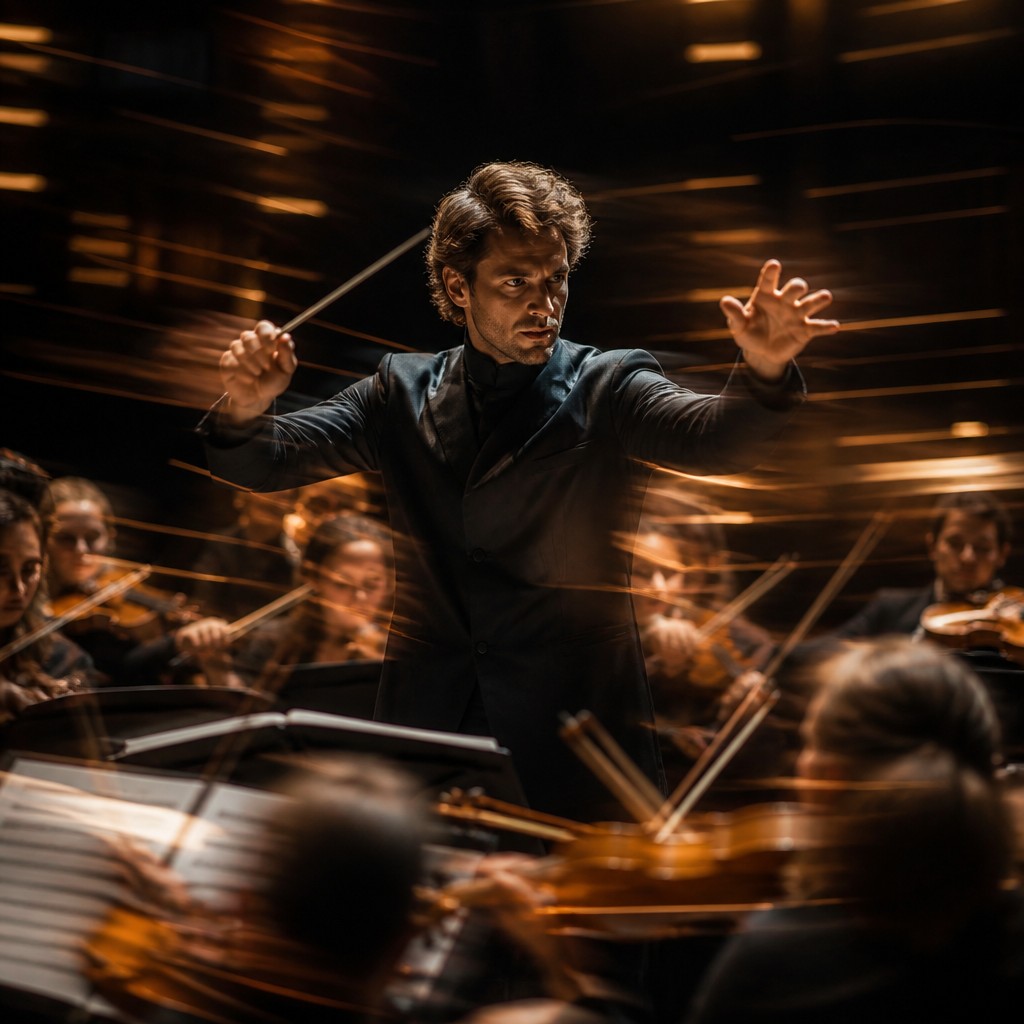
What Makes Trailer Music Feel Epic?
Trailer music has a unique job: it must tell a story before the story begins. In just one or two minutes, it needs to create anticipation, introduce emotional stakes, build tension, and leave the audience wanting more. Whether it is promoting a superhero blockbuster, a fantasy adventure, a dramatic documentary, or a high-energy video game, the music is often what makes the visuals feel larger than life.
But what exactly makes trailer music sound epic? Is it the thunderous drums, the soaring strings, the massive brass, or the dramatic pauses before the final hit? The answer is all of these elements working together with structure, contrast, and emotion. Today, modern AI tools like Donna AI are making this style of cinematic music more accessible than ever, especially for beginners who may not have years of orchestration, sound design, or production experience.
The Emotional Core of Epic Trailer Music
Epic trailer music is not only about being loud. At its best, it is about emotional momentum. A great trailer cue takes the listener on a journey from curiosity to tension, then from tension to release. This emotional arc is what makes the audience feel that something important is about to happen.
Most cinematic trailer tracks begin with a clear mood. It might be mysterious, heroic, dark, hopeful, or suspenseful. From there, the music gradually adds layers: a low pulse, distant percussion, soft strings, subtle synth textures, or a simple piano motif. These early elements help establish the emotional identity of the track before the full orchestral impact arrives.
For beginners, this is an important lesson: epic music needs space to grow. If everything is huge from the first second, there is nowhere left to go. The magic comes from contrast.
Key Ingredients of a Cinematic Soundscape
While every trailer track is different, many epic cues share a few essential building blocks. Understanding these elements can help you create more powerful results, whether you are producing manually or using Donna AI to accelerate the process.
1. A Strong Build-Up
The build-up is the backbone of trailer music. It often starts quietly and increases in intensity over time. This can happen through:
- Rising string patterns
- Increasing percussion density
- Layered synth pulses
- Gradual brass swells
- Faster rhythmic movement
- Increasing volume and harmonic tension
A strong build-up gives the music a sense of direction. It tells the listener, something is coming.
2. Powerful Percussion
Epic trailer music often relies on deep drums, taikos, cinematic impacts, claps, toms, and hybrid percussion. These sounds create weight and urgency. The percussion does not need to be complex, but it should feel intentional.
A simple rhythm played with massive drums can feel more dramatic than a complicated pattern with weak sounds. The key is to use percussion to support the story, not overpower it.
3. Soaring Melodies and Harmonic Drama
Many unforgettable trailer tracks include a memorable melodic idea. It could be a heroic brass line, a haunting vocal phrase, or a simple string motif. The melody gives listeners something to emotionally connect with.
Harmony also plays a major role. Minor chords can create danger and mystery, while major or suspended chords can suggest hope, triumph, or wonder. Switching between tension and resolution is one of the fastest ways to make a track feel cinematic.
4. Impact Hits and Pauses
Silence is one of the most underrated tools in trailer music. A sudden pause before a major impact can make the next sound feel enormous. Trailer composers often use dramatic stops, risers, booms, and downers to shape the energy of a cue.
These moments are especially useful for syncing music to visual edits, title cards, scene changes, or dramatic reveals.
How Donna AI Makes Trailer Music Creation More Accessible
In the past, creating trailer music required expensive sample libraries, advanced DAW skills, orchestration knowledge, and a strong understanding of mixing. While those skills are still valuable, AI music tools are changing the creative process.
Donna AI gives beginners a more approachable way to explore cinematic sound design. Instead of starting with a blank project, users can guide the AI with style, mood, genre, and descriptive prompts. This allows creators to focus on the emotional direction of the track rather than getting stuck on technical barriers.
For example, a beginner might prompt Donna AI with ideas like:
- Epic orchestral trailer music with heroic brass and powerful drums
- Dark cinematic build-up with suspenseful strings and hybrid percussion
- Emotional fantasy trailer score with choir, piano, and rising intensity
- Action movie soundtrack with aggressive percussion and dramatic impacts
These prompts help translate creative intent into musical direction. The result can serve as a finished track, a draft for further editing, or inspiration for a larger production.
Beginner Tips for Crafting Epic Trailer Tracks
If you are just starting, the goal is not to copy Hollywood composers note for note. Instead, focus on learning the structure and emotional logic behind the style.
Start with a Three-Act Structure
Many trailer cues work like a mini movie:
- Act 1: Introduce mood and theme
- Act 2: Build tension and add rhythmic energy
- Act 3: Deliver the full epic payoff
This simple structure keeps your track organized and helps listeners feel progression.
Use Contrast to Create Scale
Epic does not always mean massive. A quiet piano note can feel huge if it leads into a wall of drums and brass. Try contrasting soft textures with loud sections, narrow melodies with wide chords, and sparse rhythms with dense percussion.
Think Like a Visual Storyteller
Trailer music is designed to support images. Even if you are not scoring an actual video, imagine the scenes your music could accompany. Is it a spaceship rising above a planet? A warrior preparing for battle? A city under threat? A hero returning home?
When your music has a visual purpose, it becomes easier to make creative decisions.
The Future of Cinematic Music with AI
AI is not replacing creativity; it is expanding access to it. Tools like Donna AI allow more people to experiment with cinematic composition, regardless of their technical background. Beginners can now test ideas quickly, learn how different moods affect a track, and generate professional-sounding foundations without needing a full studio setup.
The best results still come from human taste and direction. AI can help create the sound, but the creator shapes the intention. Choosing the mood, refining the prompt, selecting the strongest version, and deciding how the track should evolve are all creative decisions.
Final Thoughts
Epic trailer music works because it combines emotion, structure, sound design, and dynamic contrast. It builds anticipation, creates scale, and delivers a powerful payoff. With Donna AI, beginners have a practical and inspiring way to enter this world, experimenting with cinematic soundscapes that once required advanced production knowledge.
If you want to craft music that feels ready for a movie trailer, start with a clear emotion, build gradually, use bold percussion, embrace silence, and let your track tell a story. With the right creative direction and AI-powered support, cinematic music is no longer reserved for big studios. It is now within reach for anyone with an idea and the curiosity to explore it.
Ready to create your own song?
Turn any idea into a full track with Donna's AI music generator — in minutes, no experience needed.
Try Donna Now
