Turning a Photo Into a Song: How AI Transforms Memories Into Music
Learn how AI turns photos into songs, transforming visual memories into personalized music through image analysis and generative audio.
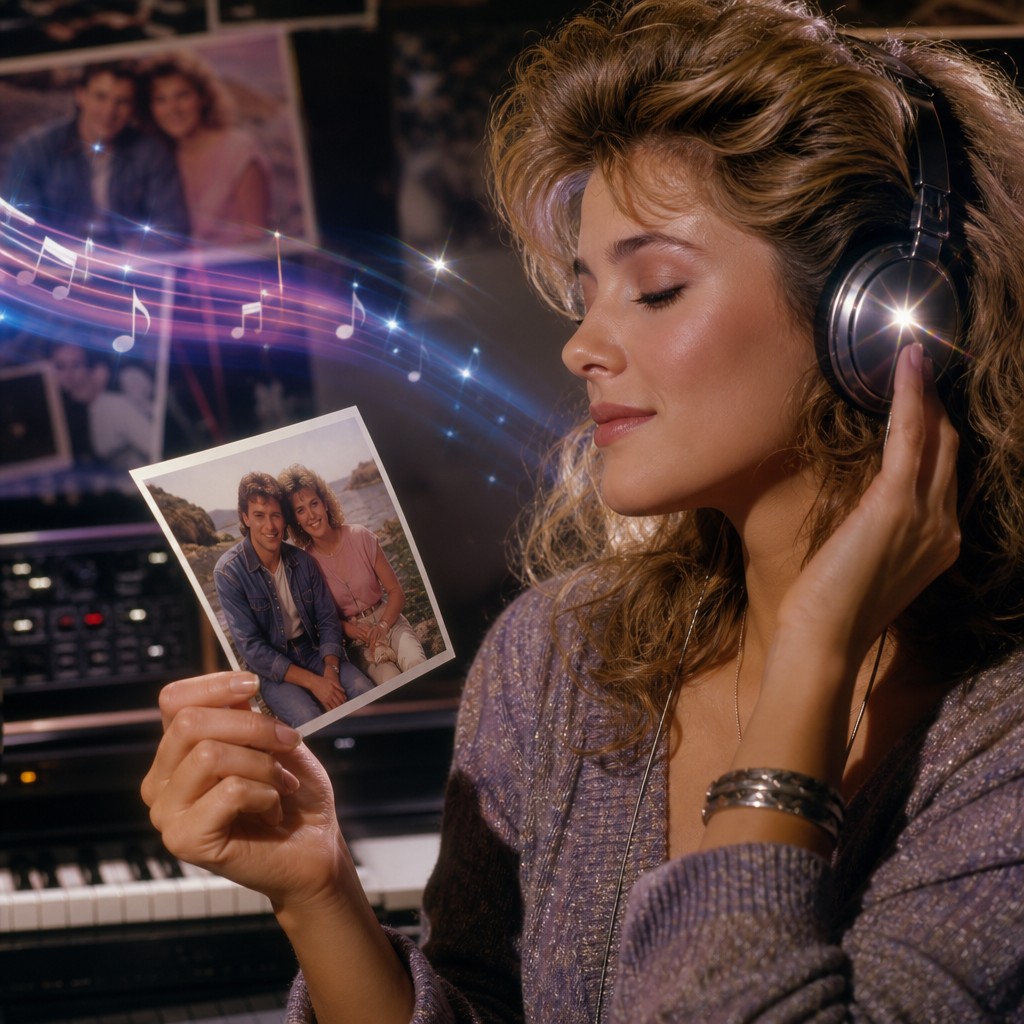
Turning a Photo Into a Song: The New Frontier of AI Creativity
Imagine uploading a cherished photo from a summer trip, a wedding day, a childhood birthday, or a quiet sunset and hearing it come back as a fully formed piece of music. Not a generic background track, but a composition shaped by the colors, mood, people, scenery, and emotional tone of the image itself. This is the promise behind the growing trend of turning a photo into a song, a creative use of artificial intelligence that merges visual memory with personalized sound.
AI-powered image-to-music tools are part of a broader movement in generative media, where text, images, video, and audio are no longer separate creative formats. Instead, they can influence one another. A photograph can become a melody. A color palette can inspire a chord progression. A facial expression can shape tempo and instrumentation. The result is a new kind of digital keepsake that feels both intimate and futuristic.
How AI Turns Visual Memories Into Music
At its core, the process relies on advanced machine learning models that can interpret visual information and map it to musical elements. While each platform may use a different technical approach, the typical workflow follows a clear creative pipeline.
1. Image Analysis
The AI first examines the uploaded photo. It may identify objects, people, landscapes, lighting, colors, contrast, composition, and even implied emotion. A bright beach photograph might be interpreted as warm, open, energetic, and nostalgic. A black-and-white portrait may suggest intimacy, reflection, or melancholy.
This stage is similar to how computer vision systems recognize content in photos, but here the goal is not just classification. The system is searching for creative signals that can be translated into sound.
2. Mood and Emotion Mapping
After reading the image, the AI assigns emotional and stylistic qualities. These can include:
- Mood: joyful, calm, mysterious, romantic, dramatic, peaceful
- Energy level: slow and ambient, medium-paced, upbeat, cinematic
- Color influence: warm tones may suggest acoustic or sunlit textures, while cool tones may inspire electronic or atmospheric sounds
- Scene context: nature, urban spaces, celebrations, portraits, travel, family moments
This emotional mapping is what helps prevent the output from feeling random. The composition is designed to reflect the perceived atmosphere of the photo.
3. Musical Composition Generation
Once the AI understands the image, it begins generating music. It may create melodies, harmonies, rhythm patterns, instrument choices, and structure. Some systems produce short instrumental loops, while others can generate full-length tracks with verses, choruses, bridges, or cinematic arcs.
For example, a golden-hour photo of a couple walking through a field might become a gentle acoustic arrangement with soft piano and strings. A neon city street image could become an electronic track with pulsing synths and modern percussion. A family holiday picture may turn into a warm, nostalgic tune that feels like a personal soundtrack.
Why Photo-to-Song Technology Feels So Personal
The appeal of this technology lies in emotional storytelling. Photos already preserve moments, but music adds movement, rhythm, and feeling. When combined, they create a richer memory experience.
A still image captures what something looked like. A song can suggest what it felt like.
That difference matters. People are increasingly looking for ways to personalize digital content, especially as social platforms, short-form video, and AI creation tools reshape how memories are shared. A song generated from a personal photo can be used in:
- Birthday videos and anniversary slideshows
- Wedding films and engagement announcements
- Memorial tributes and family archives
- Travel reels and social media posts
- Personal art projects and digital albums
- Brand storytelling and creative campaigns
Instead of choosing stock music that merely fits a mood, creators can generate music that begins with the actual image at the center of the story.
The Impact on Digital Art and Music Production
Photo-to-music generation also raises important questions about the future of creativity. It does not replace musicians, composers, photographers, or visual artists. Instead, it introduces a new creative interface. People who may not know music theory can still explore composition. Photographers can add sonic layers to their visual work. Content creators can produce more personalized media without needing a full production team.
For professional musicians, the technology can serve as an ideation tool. A photo can become a prompt for a first draft, mood board, or sonic sketch. Producers might use AI-generated tracks as inspiration, later refining them with human performance, arrangement, mixing, and mastering.
For artists, the format opens the door to multisensory exhibitions. Imagine a gallery where every photograph has a unique soundscape. Visitors could not only look at each piece but listen to its emotional interpretation. This kind of hybrid experience is already becoming more relevant as immersive media, virtual galleries, and interactive installations gain popularity.
Emerging Trends in AI-Generated Soundscapes
The technology is still evolving, but several trends are already visible.
More Personalized Outputs
Future tools will likely allow users to guide the AI more precisely. Instead of simply uploading a photo, users may choose genre, tempo, vocal style, lyrical themes, or emotional intensity. A single image could become a jazz ballad, a lo-fi beat, a cinematic score, or a pop song depending on the creator's intent.
Better Multimodal Understanding
As multimodal AI models improve, they will better understand the relationship between visuals, language, and sound. A system may analyze a photo, read a caption, understand the occasion, and generate a song that reflects all of these inputs at once.
Integration With Social and Creative Platforms
Photo-to-song generation is a natural fit for short-form video apps, digital scrapbooks, creator tools, and AI editing platforms. As these features become easier to access, users may expect personalized audio as a standard part of content creation.
Ethical and Copyright Considerations
As with all generative AI tools, copyright and transparency are important. Users should understand whether generated songs are royalty-free, how training data is sourced, and what rights they have to share or monetize the output. Responsible platforms will need clear licensing terms and safeguards against copying recognizable artists or protected works.
A New Way to Hear Your Memories
Turning a photo into a song is more than a novelty. It represents a meaningful shift in how we interact with personal media. Images no longer have to remain silent. With AI, they can inspire melodies, rhythms, and emotional soundscapes that deepen the way we remember and share important moments.
The most exciting part is accessibility. You do not need to be a composer, producer, or audio engineer to experiment with this technology. A single photo can become the starting point for a musical memory. Whether used for personal storytelling, social content, digital art, or professional creative work, image-to-music AI offers a fresh bridge between what we see and what we feel.
As generative technology continues to mature, the boundary between photography and music will become even more fluid. The next time you look at a favorite photo, you might not only ask what it shows. You might ask what it sounds like.
Ready to create your own song?
Turn any idea into a full track with Donna's AI music generator — in minutes, no experience needed.
Try Donna Now
