Turn Your Short Story Into a Cinematic Soundtrack with Donna AI
Learn how Donna AI turns short stories into cinematic soundtracks with mood, genre, and emotion-driven AI music generation.
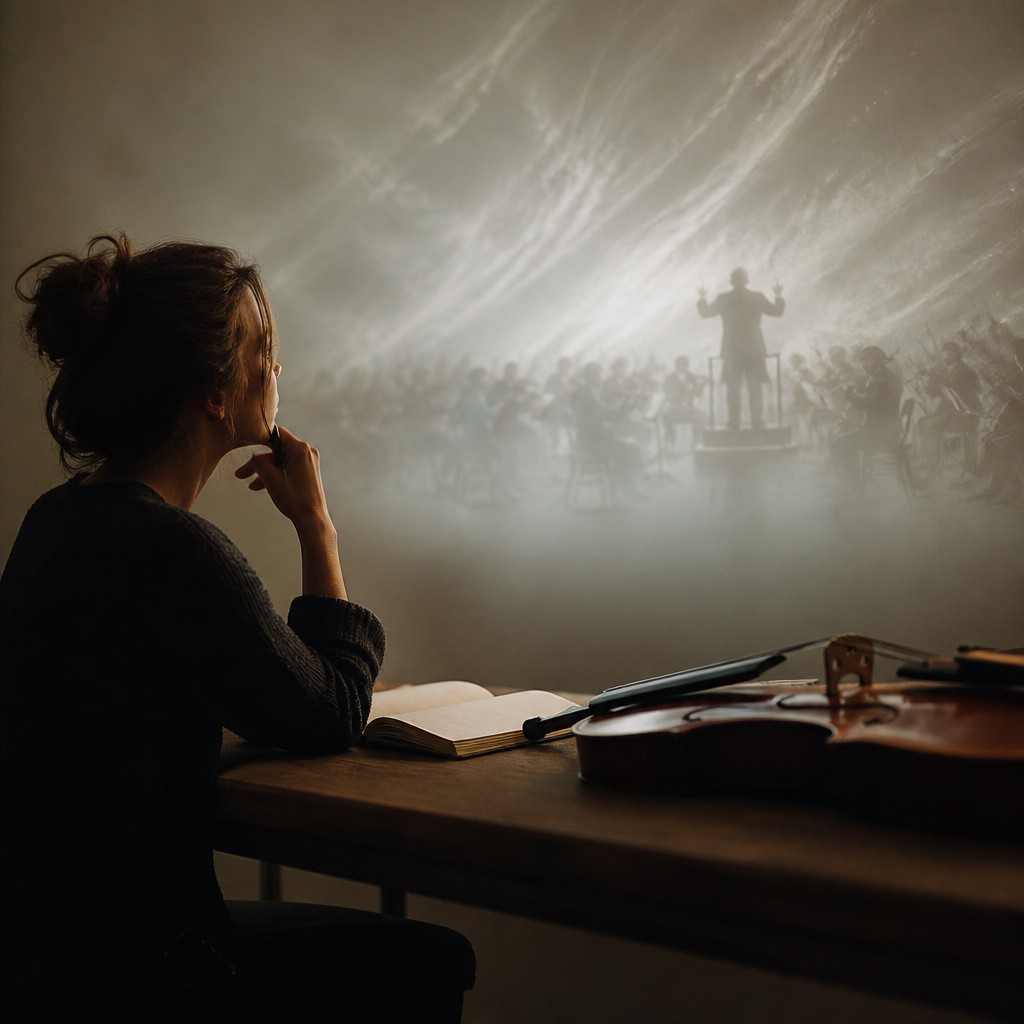
Turn Your Short Story Into a Cinematic Soundtrack with Donna AI
Every short story has a rhythm. A mystery may move in quiet pulses, a romance may swell with warmth, and a fantasy scene may open with wonder before rising into danger. Traditionally, turning those emotional beats into music required a composer, studio time, instruments, production software, and a clear understanding of arrangement. Today, Donna AI is making that creative leap far more accessible by helping writers transform written narratives into cinematic soundtracks.
This is more than background music generation. It is the beginning of a new workflow where authors, screenwriters, game designers, content creators, and educators can create music that reflects the emotional arc of a story. If you have ever imagined what your short story would sound like as a film scene, Donna AI offers a practical, intuitive way to bring that vision to life.
Why Stories and Soundtracks Belong Together
Music changes how readers and viewers experience narrative. A single chord can signal uncertainty. A slow string section can turn a quiet farewell into an unforgettable moment. A rising percussion pattern can make a chase scene feel urgent before a single word is spoken.
For writers, sound can become a powerful extension of the page. A soundtrack can help you:
- Preview the emotional tone of a scene before revising it
- Create promotional content for social media, book trailers, and author websites
- Build immersive experiences for readings, podcasts, and interactive fiction
- Develop mood boards for screenplays, games, or serialized fiction
- Understand pacing by hearing how tension rises and falls across a narrative
Donna AI fits naturally into this process because it allows creators to describe mood, genre, atmosphere, and dramatic movement in plain language. Instead of starting with complex production tools, you can begin with the story itself.
How Donna AI Transforms Narrative Into Music
At its core, Donna AI helps bridge the gap between creative writing and music production. You do not need to know music theory to begin. The key is to interpret your short story as a sequence of emotional cues.
Imagine a story about a traveler entering an abandoned city at sunset. The opening may need a lonely piano, distant ambient textures, and slow-moving strings. As the traveler discovers signs of life underground, the soundtrack might introduce subtle percussion and darker harmonies. By the final reveal, the music could swell into a cinematic hybrid score with dramatic drums and orchestral layers.
Donna AI can help generate music based on prompts that include:
- Genre, such as cinematic, orchestral, ambient, fantasy, thriller, sci-fi, or drama
- Mood, such as suspenseful, hopeful, melancholic, mysterious, romantic, or triumphant
- Tempo and pacing, from slow atmospheric builds to fast action sequences
- Instrumentation, including piano, strings, synths, drums, pads, brass, or choir-like textures
- Scene direction, such as rising tension, emotional climax, quiet reflection, or heroic finale
The result is a faster and more flexible way to experiment with sound. Writers can test multiple musical interpretations of the same scene and choose the version that best supports the emotional intention.
Step-by-Step: Turning a Short Story Into a Soundtrack
1. Identify the Emotional Arc
Before generating music, read your story and break it into emotional sections. Ask yourself: Where does the mood shift? When does tension increase? Which moment is the emotional peak?
For example, a three-part arc might look like this:
- Opening: quiet, curious, slightly uneasy
- Middle: tense, mysterious, increasingly dramatic
- Ending: emotional, expansive, bittersweet
This structure will help you write better prompts and produce music that feels connected to the narrative.
2. Choose a Cinematic Style
Next, decide what kind of film your story sounds like. Is it closer to a sweeping fantasy adventure, an intimate indie drama, a dark psychological thriller, or a futuristic sci-fi short? The more specific your direction, the more focused your soundtrack can become.
A useful prompt might be: “Create a cinematic orchestral soundtrack for a bittersweet short story about memory, loss, and hope. Begin with soft piano and strings, then build toward an emotional finale.”
3. Translate Scenes Into Musical Keywords
Instead of pasting a story and hoping for a perfect result, think like a director. Convert scenes into descriptive cues. Words like haunting, warm, minimal, epic, tense, dreamlike, and uplifting give the AI a stronger creative path.
A mysterious forest scene might become: “dark ambient cinematic score with low strings, soft percussion, distant pads, slow tempo, and a sense of hidden danger.”
4. Generate, Listen, and Refine
The first version may not be the final version, and that is part of the creative process. Listen closely and ask whether the music supports the story’s core emotion. If it feels too intense, reduce the tempo or ask for a softer arrangement. If it feels too flat, add dynamic build, percussion, or richer instrumentation.
Donna AI makes this iteration faster, allowing creators to explore different musical identities without expensive revisions or complicated software sessions.
Creative Uses for AI-Generated Story Soundtracks
Once you create a soundtrack, you can use it in several practical ways. Authors can add music to book trailers or teaser videos. Educators can use soundtracks to help students understand tone and narrative structure. Podcasters can create dramatic intros for fiction episodes. Game writers can prototype atmosphere for scenes before handing concepts to a full audio team.
For independent creators, this is especially valuable. A short story can become a multimedia experience with visuals, narration, and music working together. That can make your work more engaging on platforms where audiences respond strongly to immersive audio and video.
Tips for Better Results with Donna AI
To get a more polished soundtrack, keep your prompts clear and emotionally specific. Avoid asking for too many conflicting moods in one generation. If your story changes dramatically, create separate tracks for each section rather than forcing one piece to do everything.
Best practices include:
- Use scene-based prompts instead of vague descriptions
- Mention the main emotion first
- Specify instruments when you have a clear sound in mind
- Include pacing words like slow build, sudden climax, or gentle ending
- Generate variations and compare how each one changes the story’s atmosphere
The Future of Storytelling Is Multisensory
Donna AI points toward a future where writing, music, and visual media are more connected than ever. Writers are no longer limited to words on a page when presenting their ideas. They can create sound worlds, emotional trailers, and cinematic prototypes that help audiences feel the story before they even read it.
That does not replace human creativity. Instead, it expands the writer’s toolkit. The author still makes the essential decisions: tone, theme, pacing, and meaning. Donna AI simply helps translate those choices into sound.
Final Thoughts
Turning a short story into a cinematic soundtrack used to be a complex production challenge. With Donna AI, it becomes an accessible creative experiment. Whether you are building an author brand, producing a fiction podcast, developing a screenplay concept, or simply exploring your story from a new angle, AI-powered music generation can help you hear your narrative in a completely new way.
Your story already has atmosphere, movement, and emotion. With the right prompts and a clear creative direction, Donna AI can help you turn those invisible qualities into a soundtrack that feels cinematic, expressive, and deeply connected to the world you have written.
Ready to create your own song?
Turn any idea into a full track with Donna's AI music generator — in minutes, no experience needed.
Try Donna Now
