Transform Your Indie Film: Create Background Music Without a Composer Using AI
Learn how Donna AI helps indie filmmakers create custom cinematic background music without a composer, saving time and production costs.
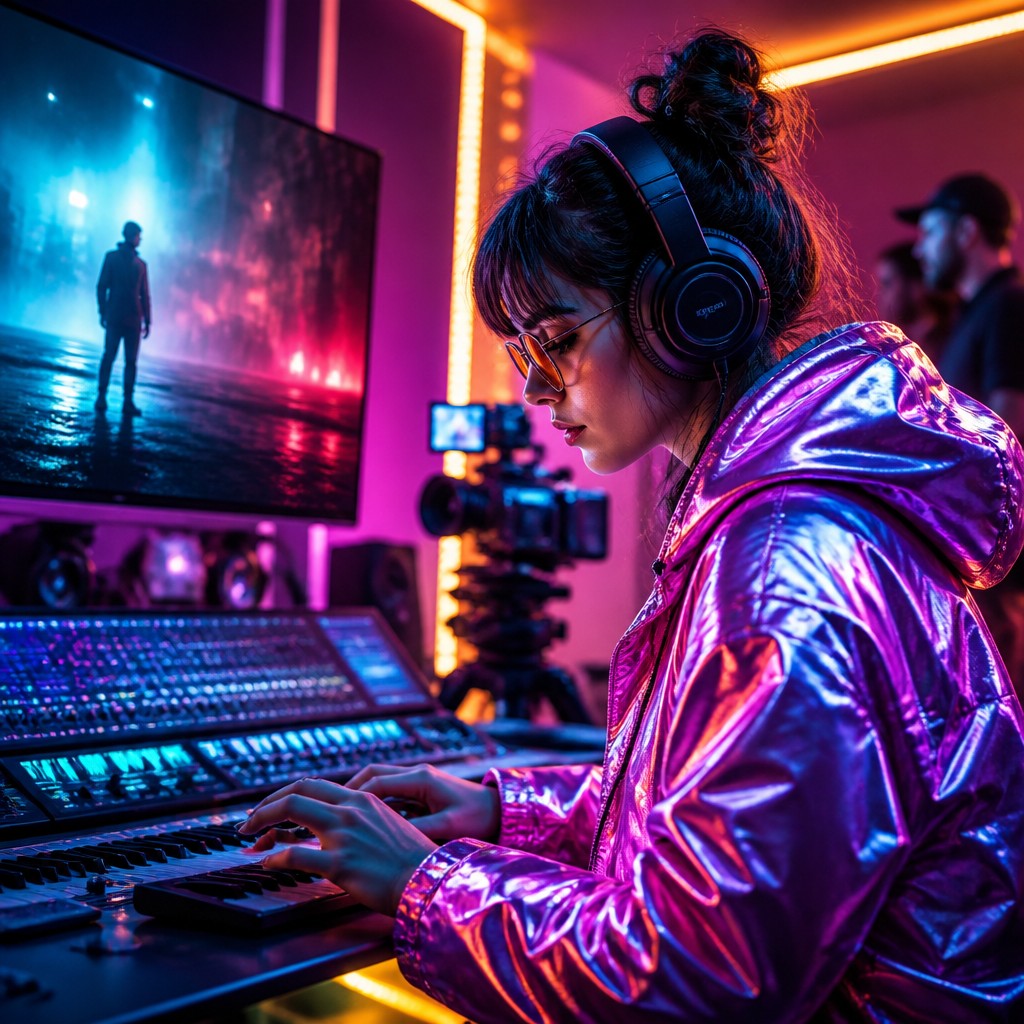
Transform Your Indie Film: Create Background Music Without a Composer Using AI
Independent filmmaking has always been about creativity under constraint. You may have a strong script, a small but talented crew, and a camera setup that punches above its price point, but one of the most difficult parts of post-production is often the soundtrack. Music shapes the emotional language of a film. It tells the audience when to lean in, when to feel tension, when to breathe, and when to remember a scene after the credits roll.
Traditionally, creating an original cinematic score required hiring a composer, licensing tracks, or spending hours searching stock music libraries for something that almost fits. For indie filmmakers, those options can be expensive, time-consuming, and creatively limiting. That is why AI music generation is becoming a practical new tool in the filmmaker’s workflow.
With platforms like Donna AI, creators can now generate customized background music for short films, trailers, social videos, documentaries, and experimental projects without needing a traditional composer. The result is not just faster production. It is a new way to explore sound as part of the storytelling process.
Why Background Music Matters in Indie Film
Even the most beautifully shot film can feel unfinished without the right score. Sound design and background music work together to create atmosphere, continuity, and emotional rhythm. A quiet piano motif can make a lonely character feel more vulnerable. A low electronic pulse can turn a simple hallway shot into a moment of suspense. Warm strings can make a reunion scene feel cinematic and intimate.
For indie productions, however, music is rarely simple. Filmmakers often face several challenges:
- Limited budgets for hiring composers or licensing premium music
- Short deadlines during festival submissions or online releases
- Creative mismatch when stock tracks do not fit the scene perfectly
- Legal complexity around usage rights, royalties, and distribution
- Revision delays when the edit changes and the music no longer aligns
AI music tools help solve many of these problems by giving filmmakers a faster and more flexible way to create original-sounding tracks tailored to scenes, moods, and pacing.
How AI Is Revolutionizing Film Scoring
AI-generated music is not simply random audio. Modern systems can interpret creative prompts, mood descriptions, genre references, tempo needs, and even visual inputs. Instead of browsing thousands of tracks, filmmakers can describe what they need and generate music that matches the emotional direction of a scene.
For example, you might ask for a slow, atmospheric synth score for a dystopian night scene, or a soft acoustic background track for a reflective coming-of-age moment. The ability to move from idea to usable music in minutes can be transformative, especially for directors editing their own films.
This does not mean AI replaces every role in professional scoring. Large productions may still want dedicated composers, orchestral recording sessions, and deeply customized musical themes. But for indie filmmakers, students, content creators, and short-film directors, AI opens a powerful middle ground: affordable, fast, and creatively adaptable scoring.
Donna AI: A Practical Music Tool for Filmmakers
Donna AI stands out because it is built around accessibility. You do not need music theory knowledge, studio equipment, or production experience to begin experimenting. The platform allows creators to generate songs and background tracks based on natural language descriptions and creative direction.
Song Description for Scene-Based Scoring
One of the most useful features for filmmakers is Song Description. Instead of choosing from fixed categories, you can describe the scene and the emotional tone you want. This is ideal for moments where generic labels like “dramatic” or “sad” are not specific enough.
A filmmaker could write prompts such as:
- “Minimal piano and soft strings for a quiet breakup scene in a rainy apartment”
- “Dark ambient electronic score for a tense chase through an empty subway station”
- “Hopeful indie folk instrumental for the final scene of a road trip short film”
- “Slow cinematic build with emotional orchestral textures for a memory montage”
This prompt-based process helps directors think about music as part of storytelling rather than as an afterthought.
Image-to-Song Conversion for Visual Inspiration
Donna AI’s image-to-song capability is especially interesting for filmmakers because cinema is a visual medium. If you have a still from your film, a mood board, a location photo, or concept art, you can use that image as creative input for generating music.
This can be helpful during pre-production as well as post-production. A director could upload a frame from a misty forest scene, a neon-lit street, or a close-up of a character and explore music that reflects the visual tone. It allows the soundtrack to respond to color, mood, and atmosphere before the final edit is even locked.
AI-Generated Vocals for Stylized Projects
While many film scenes require instrumental background music, some indie projects benefit from vocals. Donna AI’s AI-generated vocals can support title sequences, stylized montages, fictional band scenes, music-video-inspired shorts, or end-credit songs. This gives filmmakers an affordable way to create songs that feel connected to the identity of the project.
For example, a short film about teenage friendship might use a dreamy vocal track during a nostalgic montage. A sci-fi film could experiment with robotic or ethereal voices. A dark comedy could use an intentionally upbeat vocal hook to create contrast with the visuals.
Key Benefits for Indie Filmmakers
Using AI for film music is not just about saving money. It can improve the entire creative process.
Faster Iteration
In editing, timing changes constantly. A scene may be shortened, expanded, or restructured several times. With AI-generated music, filmmakers can quickly create new versions that better match the latest cut.
Better Budget Control
Hiring a composer can be worth it, but it may not be realistic for every short film or micro-budget feature. AI offers a cost-conscious alternative for creators who still want original, scene-specific music.
More Creative Experimentation
Because generating options is fast, directors can test different emotional approaches. A scene that initially feels sad might become more mysterious with ambient textures, or more intimate with acoustic instrumentation.
Accessible Production Quality
Professional-sounding music is no longer limited to creators with large teams. AI tools help level the playing field, allowing smaller productions to sound more polished and cinematic.
Best Practices for Creating AI Film Scores
To get the most out of Donna AI or similar tools, filmmakers should approach prompt writing with intention. Be specific about the genre, mood, instruments, pacing, and scene context. Instead of writing “background music,” try describing the exact emotional function of the track.
Helpful prompt details include:
- The scene type, such as montage, suspense sequence, opening credits, or emotional climax
- The mood, such as eerie, hopeful, melancholic, romantic, tense, or triumphant
- The instrumentation, such as piano, strings, synth pads, drums, acoustic guitar, or ambient textures
- The tempo and energy, such as slow, pulsing, minimal, energetic, or gradual build
- The visual setting, such as rainy city street, desert road, bedroom at night, or abandoned warehouse
It is also smart to generate multiple versions and edit the track placement carefully. Music should support the story, not overpower dialogue or distract from performances.
The Future of AI Music in Filmmaking
AI music generation is quickly becoming part of the modern creative toolkit. For indie filmmakers, it offers freedom: freedom to experiment, freedom to iterate, and freedom to complete projects without waiting for perfect budget conditions.
Donna AI demonstrates how accessible film scoring can become when advanced music technology is placed directly into the hands of creators. Whether you are making a five-minute festival short, a YouTube documentary, a student film, or a proof-of-concept trailer, AI can help you build a soundtrack that feels intentional and cinematic.
The future of indie film will not be defined only by better cameras or faster editing software. It will also be shaped by smarter creative tools that make professional storytelling more accessible. With AI-powered music generation, your film can sound as ambitious as it looks.
Ready to create your own song?
Turn any idea into a full track with Donna's AI music generator — in minutes, no experience needed.
Try Donna Now
