The Beginner’s Guide to Writing Better AI Music Prompts for Innovative Music Production
A beginner-friendly guide to writing effective AI music prompts for better songs, stronger style direction, and creative results with Donna AI.
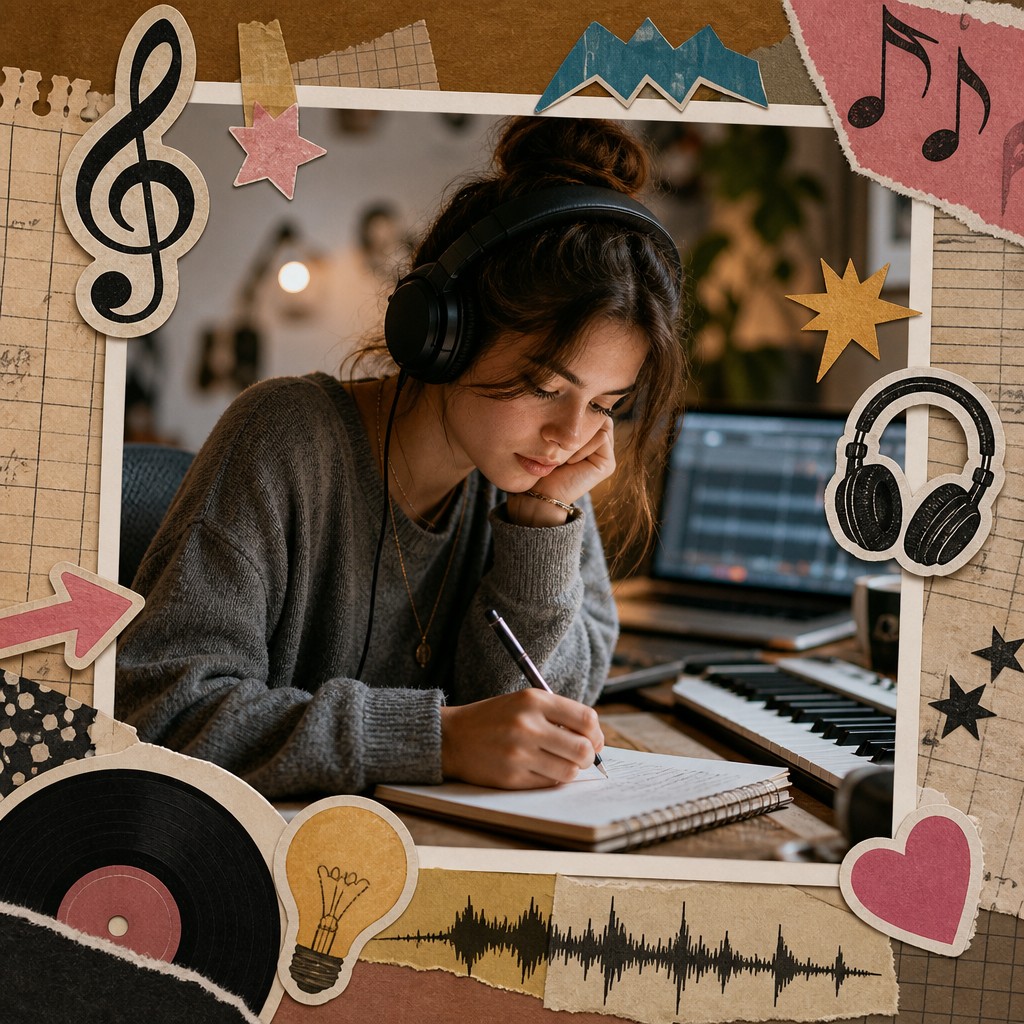
The Beginner’s Guide to Writing Better AI Music Prompts for Innovative Music Production
AI music creation is moving from novelty to everyday creative workflow. Producers, singers, content creators, marketers, and hobbyists are now using tools like Donna AI to transform short ideas into complete musical compositions. But while the technology is powerful, the quality of your result often depends on one deceptively simple skill: writing a better prompt.
A great AI music prompt is more than a sentence like “make a pop song.” It is a creative brief. It tells the AI what mood to explore, what genre to follow, which instruments to prioritize, how the vocals should feel, and what kind of listener experience you want to create. For beginners, learning this skill can unlock faster experimentation, stronger song concepts, and more satisfying musical results.
Why AI Music Prompts Matter
AI music tools interpret language as direction. When your prompt is vague, the output is likely to be generic. When your prompt is specific, emotional, and structured, the AI has more useful information to work with.
Think of prompting as communicating with a session musician, producer, and songwriter at the same time. If you only say, “make something cool,” the result may be interesting but unpredictable. If you say, “create an upbeat indie pop track with warm acoustic guitar, soft synth layers, a hopeful chorus, and lyrics about starting over in a new city,” the creative path becomes much clearer.
Strong prompts help you:
- Define the style before production begins
- Control the emotional tone of the song
- Guide instrumentation and arrangement
- Create more relevant lyrics and themes
- Reduce trial and error when generating variations
For beginners, this means less frustration and more time spent refining ideas that already feel close to the desired sound.
Start With the Core Idea
Before writing a detailed prompt, identify the central concept of your track. Ask yourself: What is this song about? Who is it for? How should it feel?
A useful beginner formula is:
Genre + mood + theme + instruments + vocal style + tempo or energy level
For example:
“Create a mid-tempo synth-pop song with a nostalgic and uplifting mood. The theme is reconnecting with an old friend after years apart. Use shimmering synths, clean electronic drums, a deep bassline, and smooth female vocals.”
This prompt gives the AI several clear signals. It defines the genre, the emotional atmosphere, the lyrical theme, the sound palette, and the vocal direction. Even if the first result is not perfect, it starts from a much stronger foundation than a broad request.
Use Emotion as a Creative Anchor
Music is emotional by nature, so your prompt should describe the feeling you want listeners to experience. Words like dreamy, confident, melancholic, cinematic, romantic, aggressive, peaceful, or triumphant can dramatically change the output.
Instead of writing:
“Make an electronic song.”
Try:
“Make a cinematic electronic track that feels mysterious at the beginning, gradually becomes more intense, and ends with a powerful, hopeful climax.”
This gives the AI an emotional arc, not just a genre. In modern AI-powered music production, emotional specificity is one of the easiest ways to produce results that feel intentional rather than random.
Be Specific About Genre and References
Genre labels are useful, but they can be broad. “Rock,” “pop,” and “hip-hop” each contain many different substyles. A better prompt narrows the creative territory.
For example:
- Instead of pop, try bright dance-pop with a radio-friendly chorus
- Instead of rock, try alternative rock with distorted guitars and an anthemic hook
- Instead of hip-hop, try melodic trap with atmospheric pads and introspective lyrics
- Instead of electronic, try deep house with warm bass, subtle percussion, and late-night club energy
You can also mention general influences such as eras, production styles, or moods without copying a specific artist. For instance, “inspired by 1980s synth textures” or “with a modern festival EDM structure” gives helpful context while keeping the result original.
Describe the Arrangement
Beginners often focus on genre and lyrics but forget arrangement. Arrangement is the structure of the song: intro, verse, chorus, bridge, drop, outro, and instrumental sections.
A stronger prompt might include:
“Start with a minimal piano intro, add soft drums in the first verse, build into a big chorus with layered harmonies, include a short instrumental bridge, and finish with a stripped-down final line.”
This kind of instruction helps Donna AI create a track that develops over time. It also makes the song feel more polished because the listener experiences movement, contrast, and resolution.
Guide the Lyrics Without Overwriting Them
If you want lyrics, provide a theme, perspective, and tone. You do not always need to write every line yourself. In many cases, simple direction works better because it lets the AI generate natural phrasing.
Try including details like:
- Point of view: first person, second person, or storytelling
- Theme: heartbreak, motivation, celebration, nostalgia, self-discovery
- Language style: poetic, conversational, simple, dramatic, playful
- Chorus goal: catchy, emotional, repetitive, powerful, intimate
Example:
“Write lyrics from a first-person perspective about learning to trust yourself again. Keep the language conversational and heartfelt, with a memorable chorus that repeats the phrase ‘I’m still becoming.’”
This gives the AI lyrical boundaries while leaving room for creativity.
Iterate Like a Producer
The first generation is not always the final version. Professional music production is built on iteration, and AI music creation works the same way. If a result is close but not quite right, adjust one or two prompt elements at a time.
For example:
- If the track feels too slow, ask for higher energy and a stronger drum groove
- If the vocals feel too dramatic, request softer and more intimate vocals
- If the song feels generic, add more distinct instrumentation or a clearer emotional theme
- If the chorus is weak, ask for a more memorable hook and bigger melodic lift
Small revisions often produce better results than completely rewriting the prompt. Treat AI as a collaborator: respond to what it gives you, then refine the direction.
Common Prompting Mistakes to Avoid
Many beginners run into similar issues when writing AI music prompts. The good news is that they are easy to fix.
Being Too Vague
A prompt like “make a good song” gives almost no direction. Add genre, mood, theme, instrumentation, and vocal style.
Adding Too Many Conflicting Ideas
A song cannot easily be “sad, energetic, relaxing, aggressive, acoustic, futuristic, and orchestral” all at once. Choose the most important qualities and prioritize them.
Forgetting the Listener
Think about where the track will be used. Is it for a YouTube intro, a workout playlist, a podcast background, a social media reel, or a full single? Context helps shape the production.
Ignoring Structure
If you want a complete song, mention sections like verse, chorus, bridge, or instrumental break. Structure makes the output feel more intentional.
A Practical AI Music Prompt Template
Here is a beginner-friendly template you can adapt:
“Create a [genre/subgenre] song with a [mood/emotion] feeling. The theme is [song topic]. Use [instruments/sounds] and [vocal style]. The tempo should feel [slow/mid-tempo/upbeat/high-energy]. Structure it with [intro, verse, chorus, bridge, outro]. The lyrics should be [poetic/conversational/simple/emotional] and focus on [specific message].”
Example:
“Create an upbeat indie pop song with a hopeful and energetic feeling. The theme is moving to a new city and starting fresh. Use jangly guitars, bright synths, punchy drums, and warm male vocals. Structure it with a short intro, two verses, a big chorus, a bridge, and a final chorus. The lyrics should be conversational and optimistic.”
Final Thoughts
Writing better AI music prompts is a creative skill, not a technical mystery. The more clearly you describe your musical vision, the more useful and inspiring your results become. With tools like Donna AI, beginners can move from a simple idea to a fully realized track by learning how to communicate mood, genre, structure, instrumentation, and lyrical direction.
Start simple, be specific, and keep experimenting. Every prompt is a chance to learn what works, discover unexpected sounds, and develop your own creative voice in the new era of AI-powered music production.
Ready to create your own song?
Turn any idea into a full track with Donna's AI music generator — in minutes, no experience needed.
Try Donna Now
