Should Your Song Start With Vocals or Instruments? AI Songwriting Tips for Stronger Intros
Discover whether your song should start with vocals or instruments, plus AI songwriting tips for stronger intros with Donna AI.
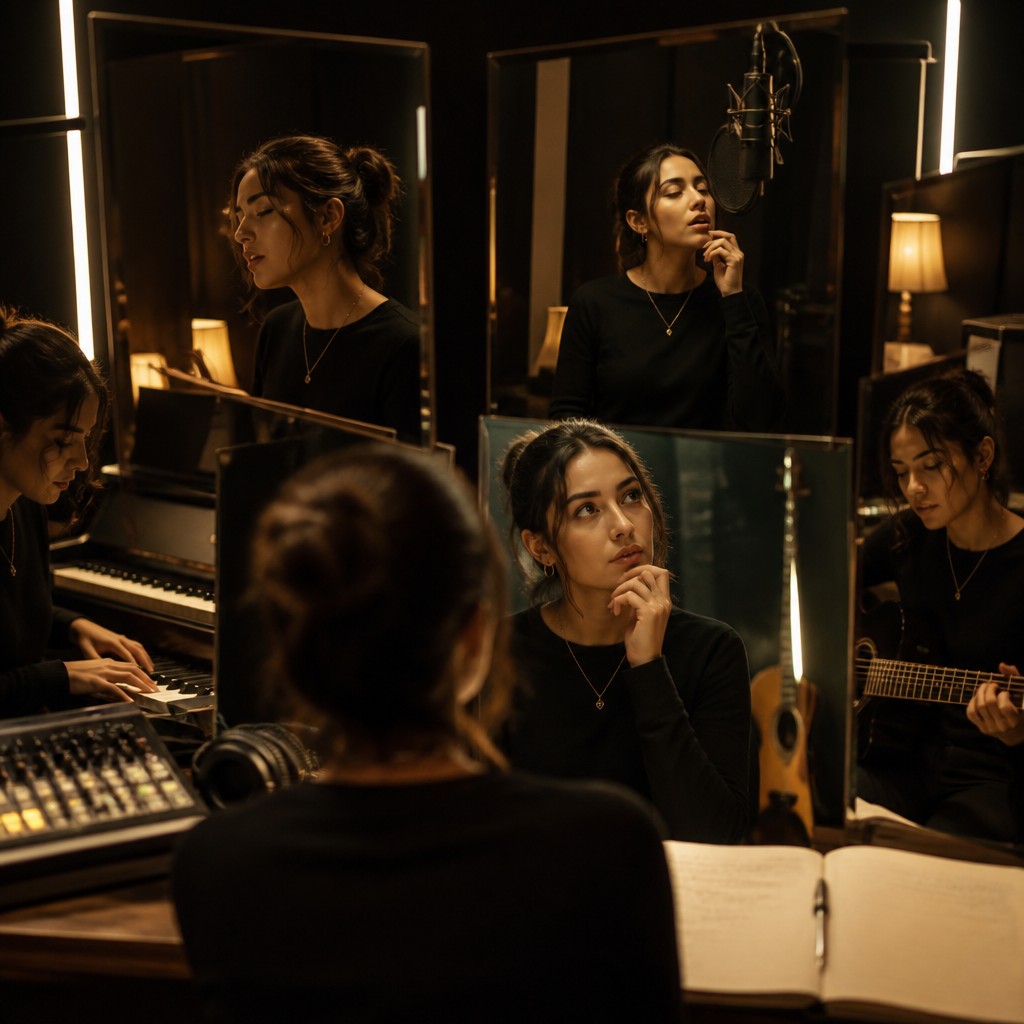
Should Your Song Start With Vocals or Instruments?
A song intro is more than a beginning. It is the first promise you make to the listener. In the first few seconds, people decide whether to keep listening, skip, save, share, or forget. That makes one creative choice especially important: should your song begin with vocals or instruments?
In the age of AI music creation, this decision matters even more. Tools like Donna AI make it possible to generate complete songs quickly, experiment with genres, adjust moods, create realistic vocals, separate stems, and even turn a track into an AI music video. Because the process is faster, creators can test more ideas, but they also need a clearer strategy. A strong intro is not only about what sounds good. It is about what serves the song best.
Why the First Seconds of a Song Matter
Modern listeners are surrounded by endless music options. Streaming platforms, short-form video apps, social feeds, playlists, and recommendation algorithms all reward songs that communicate quickly. That does not mean every song must start loudly or instantly reveal the chorus. It means the intro needs a clear purpose.
A strong intro can do one or more of the following:
- Capture attention immediately with a vocal line, lyric, or melodic hook
- Build atmosphere through chords, texture, rhythm, or sound design
- Introduce the genre so listeners understand the musical world
- Create suspense before the vocal or drop arrives
- Set the emotional tone for the rest of the track
The question is not whether vocals are better than instruments. The real question is: what does your song need the listener to feel first?
When to Start With Vocals
Starting with vocals can be powerful because the human voice creates an immediate emotional connection. If your lyric contains a strong opening line, a memorable hook, or a dramatic phrase, vocals-first may be the right choice.
Choose a vocal intro when the lyric is the hook
If your song opens with a line that feels personal, surprising, romantic, painful, or catchy, do not hide it behind a long instrumental build. Let the listener hear the message right away. This works especially well for pop, singer-songwriter, R&B, hip-hop, country, and emotional electronic tracks.
For example, a song about heartbreak might benefit from an opening vocal such as a direct confession. A dance-pop track might start with a short vocal phrase that later repeats in the chorus. A rap track may begin with a bold bar that establishes attitude and identity immediately.
Choose vocals first when attention is your priority
If your target listener is likely discovering your music through social media, a playlist preview, or a short clip, a vocal opening can make the song easier to recognize. A strong voice can help the track feel human within seconds.
This is also useful when generating songs with Donna AI. In the Lyrics section, you can write a first line that acts like a hook, then use the Song Description to guide the AI toward a direct vocal entrance. For instance, you might describe the track as: modern pop song with emotional female vocals starting immediately, minimal intro, catchy first lyric, warm synth atmosphere.
When to Start With Instruments
An instrumental intro is not filler when it has intention. It can create space, mood, identity, and anticipation before the voice enters. Some songs need the listener to enter a world before hearing the story.
Choose an instrumental intro when mood comes first
If your track depends heavily on atmosphere, instrumentation can be the best opening move. Cinematic pop, ambient, lo-fi, EDM, rock, metal, techno, orchestral, and experimental tracks often benefit from an instrumental setup.
A few seconds of guitar, piano, synth pad, drum groove, or bass line can tell the listener what kind of emotional environment they are stepping into. This can make the eventual vocal feel more impactful because the stage has already been set.
Choose instruments first when the groove is the hook
Sometimes the most memorable part of a song is not the lyric. It is the bass line, drum pattern, riff, chord progression, or texture. In that case, give the instrumental hook room to breathe. Funk, dance, house, afrobeat, reggaeton, indie rock, and trap productions often use groove-first intros because rhythm creates instant physical engagement.
With Donna AI, you can test this approach by selecting a clear mood and genre, then describing the intro in the Song Description. Try language such as: upbeat afrobeat track with a rhythmic instrumental intro, warm percussion, catchy guitar pattern, vocals entering after the groove is established.
Match the Intro to the Genre
Genre expectations should not trap you, but they can guide smart decisions. Listeners often understand genre within seconds, and the intro helps them categorize the experience.
Vocal-first genres often include:
- Pop
- R&B
- Hip-hop
- Singer-songwriter
- Country
- Ballads
- Worship and inspirational music
Instrument-first genres often include:
- EDM and house
- Rock and metal
- Ambient and cinematic music
- Lo-fi and chillhop
- Funk and disco
- Techno
- Instrumental soundtrack styles
Of course, great songs break rules. A rock song can begin with a bare vocal. A pop song can open with an instrumental motif. The key is to make the choice feel intentional rather than accidental.
Use AI to Test Both Versions Quickly
One of the biggest advantages of AI songwriting is speed. In the past, testing two intro arrangements could require a producer, vocalist, studio time, and multiple sessions. Now, creators can compare creative directions much faster.
With Donna AI, you can build a practical workflow:
- Version A: Vocal-first intro with a strong opening lyric and minimal instrumental setup
- Version B: Instrument-first intro with a mood-setting groove, riff, or chord progression
- Version C: Hybrid intro with a short instrumental tag followed quickly by vocals
- Version D: Vocal sample intro using a repeated phrase as a texture before the main verse
After generating multiple versions, listen for the moment your attention locks in. Does the vocal line feel immediate and memorable, or does the instrumental build make the payoff stronger? The best version is usually the one where the intro makes the rest of the song feel inevitable.
Improve Your Intro With Stems and Video Testing
Donna AI workflows can extend beyond generating the song. With stem separation, you can isolate vocals, drums, bass, or instruments to better understand what is carrying the intro. If the vocal sounds strong alone, it might deserve to open the track. If the instrumental stem already feels catchy without vocals, it may be your best first impression.
You can also test intros visually through AI music video creation. A cinematic instrumental opening may pair beautifully with slow visual storytelling, while a vocal-first intro may work better for direct performance shots, lyric videos, or social clips. If the intro supports both the sound and the visual concept, the song becomes easier to promote.
A Simple Decision Framework
Before finalizing your intro, ask these questions:
- What is the strongest hook: the lyric, the melody, the beat, or the atmosphere?
- Does the listener need context before the vocal begins?
- Would the song feel more emotional if the voice entered immediately?
- Does the genre reward instant vocals or a gradual build?
- Where would this song be discovered: streaming, social video, playlists, or live performance?
- Can I test two or three intro versions with AI before deciding?
If the lyric is unforgettable, start with vocals. If the mood, groove, or sound design defines the track, start with instruments. If both matter, use a short instrumental phrase and bring the vocal in quickly.
Final Thoughts
There is no universal rule for whether a song should start with vocals or instruments. The strongest intro is the one that creates the clearest emotional invitation. Vocals can pull the listener close. Instruments can build a world. The best creators know how to choose based on the song, not habit.
AI music tools like Donna AI make this process more creative and less intimidating. By experimenting with Song Description, Lyrics, mood and genre settings, realistic vocals, stem separation, and music video ideas, you can test multiple intro strategies in minutes instead of guessing. In modern songwriting, speed is useful, but intention is what makes a song memorable.
Ready to create your own song?
Turn any idea into a full track with Donna's AI music generator — in minutes, no experience needed.
Try Donna Now
