Melancholic or Upbeat? How Donna AI Is Shaping the Mood of Tomorrow's Music
Discover how Donna AI helps creators shape melancholic or upbeat music through AI-powered mood selection and instant song generation.
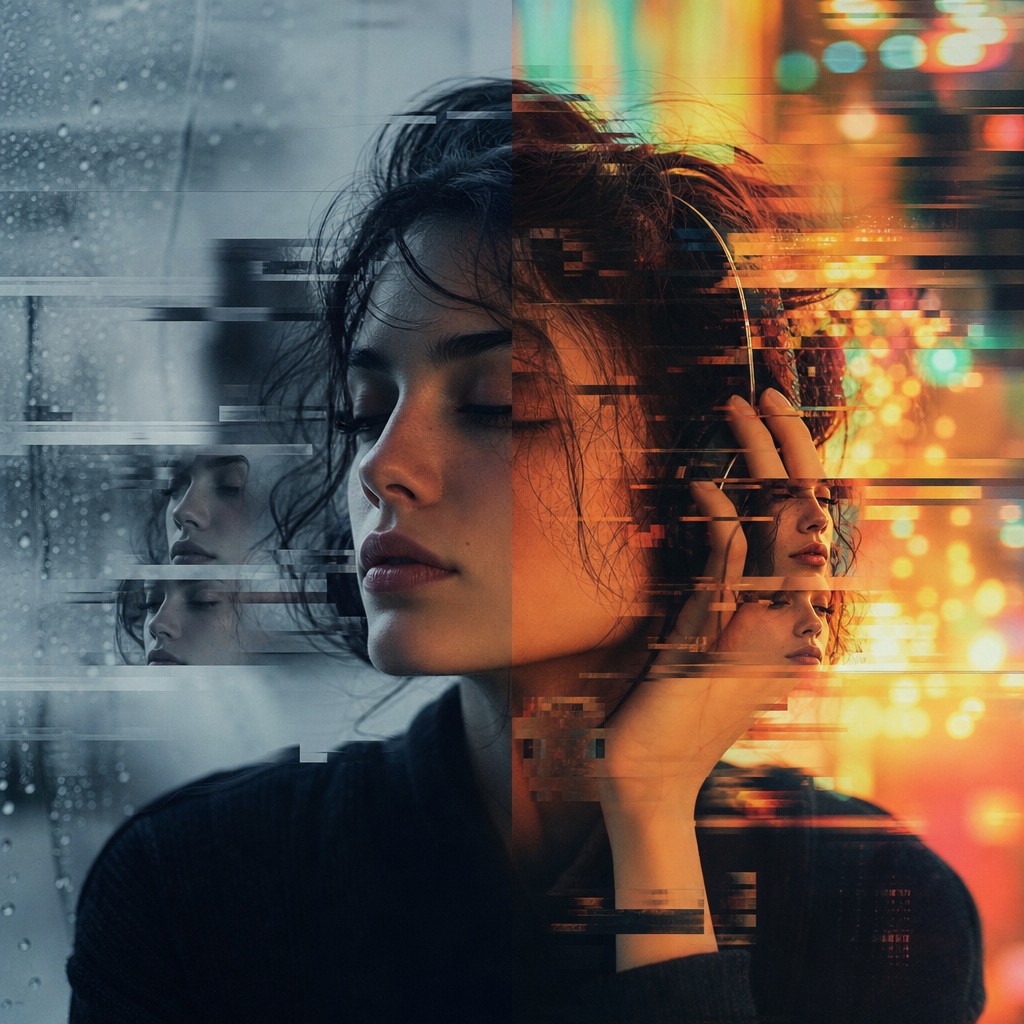
Artificial intelligence is no longer just a behind-the-scenes tool for mixing, mastering, or recommending playlists. It is becoming an active creative partner, helping people turn ideas, emotions, and simple prompts into fully formed songs. At the center of this shift is a deceptively powerful question: what should the music feel like?
In today's creator economy, mood matters as much as melody. A track designed for a short-form video, podcast intro, indie game, workout playlist, or personal demo needs to communicate emotion quickly. Should it feel nostalgic and melancholic? Bright and upbeat? Cinematic, romantic, dreamy, energetic, or introspective? Donna AI is entering this fast-changing landscape with a clear promise: make mood-driven music creation intuitive, accessible, and fast.
Why Mood Is Becoming the New Starting Point for Music Creation
For decades, music production often began with instruments, chords, lyrics, or a beat. While those elements remain essential, digital-first creators increasingly begin with an emotional target. They need music that supports a story, enhances a brand, or matches a visual moment.
That is why the debate between melancholic and upbeat music is more than a stylistic choice. It reflects how audiences connect with content. A melancholic track can add depth, vulnerability, and cinematic weight. An upbeat song can create momentum, optimism, and instant engagement. Both moods can be powerful, but choosing the right one is often the difference between content that feels generic and content that feels memorable.
Donna AI responds to this need by helping users define the emotional direction of a song before getting lost in technical production choices. Instead of needing advanced studio knowledge, users can focus on the feeling they want to express.
How Donna AI Turns Emotion Into Music
Donna AI's approach reflects a broader trend in AI music generation: simplifying the path from idea to finished track. With mood-based composition, the user can guide the creative process through emotional cues, genre preferences, and stylistic direction.
For example, a creator might ask for:
- A melancholic pop ballad with soft piano and emotional vocals
- An upbeat electronic track for a product launch video
- A dreamy indie song with nostalgic textures
- A motivational hip-hop beat for social media content
- A cinematic ambient piece for a storytelling sequence
The benefit is not just speed. It is creative clarity. A mood-first workflow allows creators to test emotional variations quickly. The same lyrical idea could become a sad acoustic track, a hopeful synth-pop anthem, or a dramatic orchestral piece. This flexibility opens the door to experimentation that would traditionally require multiple musicians, producers, and studio sessions.
The Rise of Genre-Blending Creativity
One of the most exciting developments in AI-assisted music is the ability to blend genres in ways that feel fresh and unexpected. Modern listeners are already comfortable with hybrid sounds: country-pop, trap-soul, hyperpop, lo-fi jazz, EDM-rock, and cinematic folk all coexist across streaming platforms and social media.
Donna AI fits naturally into this environment by giving users room to combine mood and genre. A melancholic song does not have to be slow or minimal. It can be melancholic and danceable, sad but energetic, nostalgic but futuristic. Likewise, an upbeat track can still carry emotional nuance rather than sounding one-dimensional.
This matters because today's audiences value authenticity. A song that captures a complex emotional state can be more engaging than one that simply checks a genre box. AI tools that understand mood selection are therefore becoming more relevant to real-world creative needs.
Melancholic Tracks: The Power of Emotional Depth
Melancholic music has always had a strong place in culture. From heartbreak ballads to reflective soundtracks, sadder tones often help people process memory, loss, longing, and change. In digital content, melancholic music is especially effective for:
- Personal storytelling videos
- Documentary-style content
- Dramatic podcast segments
- Reflective brand campaigns
- Emotional cinematic scenes
- Poetry, spoken word, and visual art projects
With Donna AI, users can explore this emotional territory without needing to compose from scratch. They can generate songs that use slower tempos, minor keys, softer instrumentation, atmospheric textures, or intimate vocal styles. The result is music that can feel personal and expressive, even when created through an AI-powered workflow.
Upbeat Tracks: Energy, Optimism, and Shareability
On the other side, upbeat music remains essential for creators who want to capture attention quickly. Social platforms reward content that feels immediate, energetic, and emotionally clear. Upbeat tracks help drive:
- Fitness and lifestyle videos
- Travel edits
- Product promos
- Event recaps
- Gaming clips
- Tutorials and creator intros
Donna AI can help users produce upbeat songs with energetic drums, bright melodies, catchy hooks, and forward-moving arrangements. For small businesses and independent creators, this can be especially valuable. Instead of searching through stock music libraries for hours, they can generate a track that better matches their message and pace.
AI Music as a Creative Partner, Not a Replacement
The growth of AI music tools has sparked important conversations about originality, authorship, and artistic value. But for many users, the most practical benefit of Donna AI is that it acts as a creative partner. It helps people overcome the blank page, explore directions, and produce music faster.
This does not remove human taste from the process. In fact, it makes taste more important. Users still decide what mood fits, which version feels right, what lyrics resonate, and how the final song should be used. AI can generate possibilities, but the creator shapes the purpose.
What This Means for the Future of Music Production
The future of music production is likely to be more accessible, more personalized, and more emotionally driven. Mood selection will become a standard part of the creative workflow, especially for people who need music for multimedia projects rather than traditional album releases.
Donna AI is part of a bigger movement toward democratized creativity. It gives non-producers the ability to make songs, while giving experienced creators a faster way to brainstorm and prototype. Whether someone wants a melancholic anthem for a personal story or an upbeat track for a campaign, AI-powered mood tools can reduce friction between imagination and execution.
Final Thoughts
The question of melancholic or upbeat is really a question of emotional intent. What should the listener feel? What should the moment communicate? What atmosphere should surround the story?
Donna AI is helping answer those questions through technology that translates mood into music. As AI-driven composition continues to mature, creators will gain more control over not only how songs sound, but how they feel. And in a world overflowing with content, that emotional precision may become one of the most important creative advantages of all.
Ready to create your own song?
Turn any idea into a full track with Donna's AI music generator — in minutes, no experience needed.
Try Donna Now
