How to Turn a Letter You Never Sent Into a Song With Donna AI
Turn an unsent letter into a personal song with Donna AI. Shape lyrics, choose a genre and vocals, and create a finished track without a studio.
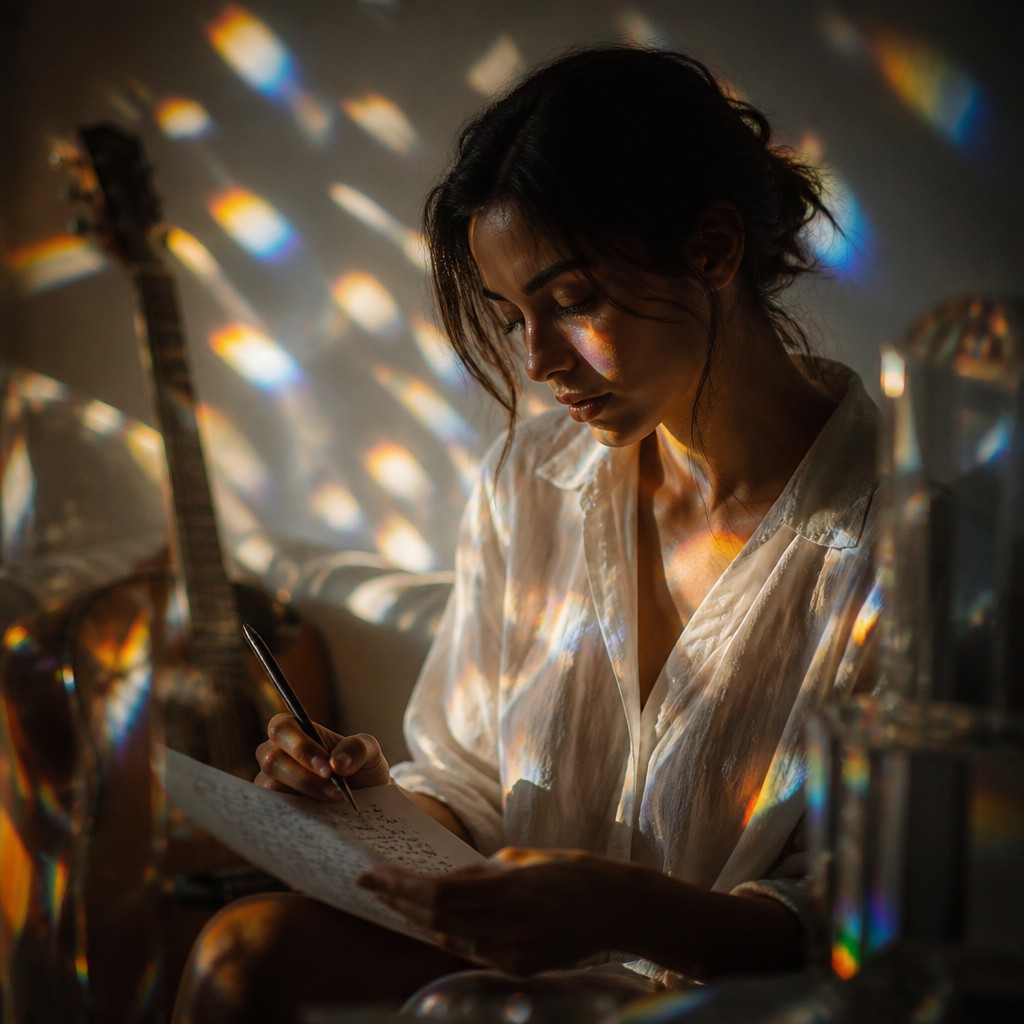
Some words are easier to write than to say. An unsent letter can hold a confession, an apology, a goodbye, or the truth you were not ready to share. In 2026, AI music tools are making it easier to give those private thoughts a new form: a song that captures the feeling without requiring music theory, recording equipment, or a studio.
Donna AI can help you shape a letter into lyrics, describe the sound you imagine, select a genre, and create a track with realistic vocals. You can also use its AI music video tools to give the finished song a visual dimension. The goal is not to make every personal experience public. It is to make creative expression more accessible, while letting you decide what stays private and what you choose to share.
Start With the Feeling, Not the Perfect Lyric
An unsent letter is useful songwriting material because it already has a point of view. It may include a specific memory, a question you cannot stop asking, or a sentence you wish you had said out loud. Before turning it into a song, read it back and notice which ideas carry the most emotional weight.
You do not need to paste the entire letter into a song generator. Instead, identify a few building blocks:
- The central feeling: Is the letter tender, regretful, relieved, angry, hopeful, or conflicted?
- The key moment: What event or memory gives the song its emotional center?
- The message: What do you want the listener—or your future self—to understand?
- The boundary: Are there names, details, or private facts you would rather leave out?
This reflection helps turn a long, complicated letter into a focused song concept. It can also make the creative process feel more intentional and privacy-conscious.
Shape Your Letter Into Lyrics With Donna AI
Use Donna AI’s Lyrics feature to develop your idea into song words. You can start with a short summary of the letter rather than sharing every detail. For example, describe the feeling and situation in broad terms: “A reflective song about missing someone, accepting what cannot be changed, and finally moving forward.”
From there, guide the lyrics toward a structure. A familiar arrangement might include verses that tell the story, a chorus that expresses its central message, and a bridge that offers a new perspective. If a draft feels too polished or distant, ask for simpler language, more conversational phrasing, or a stronger sense of vulnerability. If it feels too literal, request imagery and metaphor instead.
Treat the first result as a creative draft, not a final verdict on your experience. Keep the lines that sound true to you, revise the ones that do not, and avoid including details that could identify another person without their consent. The most effective lyric is often not a word-for-word account. It is an honest version of the feeling underneath the letter.
Write a Song Description That Sets the Mood
The Song Description feature helps translate your creative direction into a musical brief. Think about the energy you want the track to carry: intimate and restrained, warm and hopeful, or dramatic and cathartic. Mention the atmosphere, pacing, and emotional arc in plain language. You do not need technical music vocabulary to describe what you want to hear.
For instance, you might ask for a gentle opening that gradually builds into a powerful chorus, or a stripped-back, late-night sound that keeps the focus on the words. Clear, specific descriptions give the song a stronger identity and help connect its sound to the letter’s emotional journey.
Choose a Genre and Vocal Style
Genre selection can change how the same lyric feels. A tender folk arrangement may make a memory sound intimate; a pop production might turn a difficult realization into an uplifting anthem. Try a style that matches the emotion, or experiment with a contrast—such as pairing sad lyrics with a steady, hopeful rhythm.
Donna AI’s realistic vocals can bring the words to life without asking you to sing or record them yourself. Consider whether the song should feel close and conversational, expressive and dramatic, or calm and understated. Listen for whether the vocal delivery supports the meaning of the lyric. If a line sounds awkward when sung, revisit the wording or simplify the phrase.
Make the Track—and Decide What Happens Next
Once the lyrics, description, genre, and vocal direction feel aligned, generate the song and listen with fresh ears. Notice the moments that feel most honest, and whether the track’s overall mood fits your intention. You can refine the prompt and explore different directions until the result feels right to you.
If you want to extend the idea, Donna AI’s AI music video tools can help create a visual companion for the track. A video can lean into symbolic imagery, a particular color palette, or a simple mood rather than recreating the personal events behind the letter. That approach can make a song shareable while keeping the original story protected.
A Creative Outlet on Your Terms
Turning an unsent letter into a song does not mean you have to send it, publish it, or explain it to anyone. The finished track can be a private keepsake, a way to process a complicated feeling, or something you decide to share later. You can also work from a paraphrase, remove identifying details, and keep sensitive material out of your prompts.
With Donna AI, the process can begin with nothing more than a few honest sentences. You bring the experience and decide what it means; the tools help turn that starting point into lyrics, a musical direction, vocals, and potentially a video. You do not need a studio or formal training to begin. You only need a feeling you want to explore—and the freedom to shape it into a song that sounds like your story.
Ready to create your own song?
Turn any idea into a full track with Donna's AI music generator — in minutes, no experience needed.
Try Donna Now
