How to Make an AI Song Feel More Intimate and Personal With Donna AI
Make AI music feel more personal with Donna AI. Turn memories, lyrics, photos, and voice recordings into emotionally resonant songs.
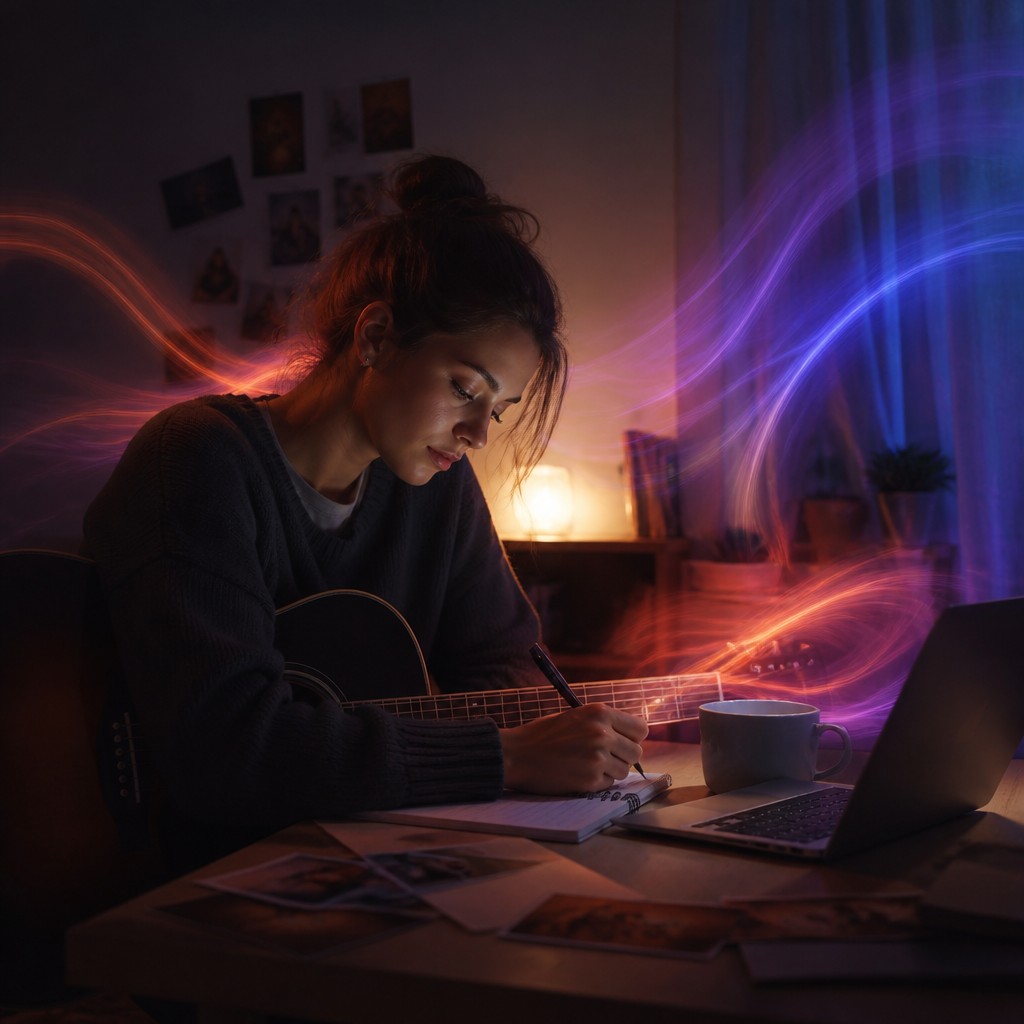
AI music can create a polished track in moments, but polish alone does not make a song feel human. The songs that stay with us usually contain details that seem to belong to one person: a half-remembered summer evening, a phrase someone always says, or the feeling of missing a place you once called home. With Donna AI, you can bring details like these into the creative process and shape a generated song around a real story rather than a generic mood.
The key is to treat AI as a creative partner, not a shortcut around the choices that give music meaning. Start with a feeling or memory, then use Donna’s tools to translate it into lyrics, sound, vocals, and visuals.
Begin with a memory, not a genre
A genre can guide the sound, but a memory gives the song its emotional center. Before opening Song Description, write down a few concrete details about the moment you want to capture. Consider where you were, what you noticed, and what you felt but did not say at the time.
Instead of entering a broad prompt such as “a sad pop song,” try describing a particular scene: “a quiet drive home after a difficult goodbye, streetlights passing through the rain, with a small sense of relief underneath the sadness.” This kind of direction gives Donna AI more emotional context to work with while still leaving room for musical interpretation.
Useful details can include:
- A specific place, season, or time of day
- An object that carries personal meaning
- A relationship or turning point
- Two feelings that exist at once, such as gratitude and grief
- The energy you want the listener to feel by the end
Use Song Description to guide the emotional arc
Song Description is a place to explain how the track should feel, not just what style it should imitate. Describe the journey from the opening to the final moment. Perhaps the song begins restrained and close, then opens into a hopeful chorus. Or maybe it stays soft throughout, like a private thought set to music.
Be specific without piling on contradictory instructions. A concise description might mention the mood, pace, instrumentation, vocal character, and emotional progression. For example: “An intimate, slow-burning acoustic song with warm guitar, understated percussion, and a sincere vocal; it begins uncertain and ends with quiet acceptance.” These choices help the generation feel intentional and connected to your story.
Leave room for discovery
You do not need to define every musical detail in advance. Describe the emotional essentials and let the first result surprise you. If the output feels too dramatic, simplify the prompt. If it feels too polished, ask for a more restrained arrangement or a closer, more conversational vocal. Small adjustments can make a major difference to the sense of intimacy.
Make the lyrics sound like someone, not everyone
Lyrics often determine whether a song feels personal. If you use Donna’s Lyrics feature, give it more than a topic. Add the central memory, the speaker’s point of view, and one or two details that could not belong to just any story. You can also write your own lines and use them as the foundation for the track.
Pay attention to language you would actually use. A familiar expression, an imperfect thought, or an understated line may feel more convincing than a sweeping declaration. Avoid explaining every emotion directly. A small image—an untouched cup on a kitchen counter, for instance—can suggest absence more powerfully than a chorus that simply announces sadness.
After generating lyrics, read them aloud. Replace lines that sound too generic, overly formal, or disconnected from your experience. Keep the parts that feel true, even if they are less tidy. Specificity is what helps listeners recognize a real human perspective.
Turn a photo or recording into creative material
A personal photograph can give a song a visual starting point. With Image to Song, choose an image that carries a feeling or story for you, then consider what the image leaves unsaid. Is it a joyful moment viewed from the present, a familiar landscape, or a snapshot that now feels bittersweet? Your interpretation can guide the prompt and help the resulting track reflect more than the visible scene.
If you have a personal voice recording, it can also serve as source material for the creative process. A spoken note, a short melody, or a remembered phrase may help you find the song’s tone. Choose recordings thoughtfully, especially when they include another person’s voice, and make sure you have permission to use them. The aim is to add a meaningful human reference, not to make a track feel personal through a technical effect alone.
Shape the vocal and arrangement
Realistic vocals can make a track feel closer, but the performance still needs to suit the story. Think about whether the song calls for a soft, conversational delivery or a fuller, more expressive sound. A restrained vocal can make a vulnerable lyric feel believable; a bigger performance may suit a moment of release. Listen for whether the vocal feels emotionally consistent with the words.
Stem separation can help you explore the arrangement by separating musical elements into individual parts. Use that flexibility to listen closely, make adjustments, or focus attention on the element that carries the song’s emotion. A quieter arrangement may create a sense of closeness, while a carefully placed instrumental lift can give a chorus room to breathe.
Extend the story with AI Cover and music videos
Once the song feels right, Donna’s AI Cover and music video tools can help you create a visual identity for sharing it. Keep the visuals connected to the song’s emotional world: a color palette, setting, or recurring image can reinforce the story without spelling out every lyric. For a personal release or social post, a simple, consistent visual approach often feels more thoughtful than a collection of unrelated effects.
A final checklist for a more personal AI song
Before sharing your track, take a moment to ask:
- Does the song include at least one detail rooted in a real memory or point of view?
- Do the lyrics sound natural when spoken aloud?
- Do the vocal and arrangement match the emotion of the story?
- Have you revised anything that feels generic or overly dramatic?
- Do you have permission to use any personal recordings or material from others?
An intimate AI song does not need to reveal everything. It needs to preserve the detail, mood, or honest perspective that made you want to create it. Start with what matters to you, guide Donna AI with clear creative choices, and refine the result until it feels like a story only you could have told.
Ready to create your own song?
Turn any idea into a full track with Donna's AI music generator — in minutes, no experience needed.
Try Donna Now
