How to Compare Two AI Song Versions and Choose the Stronger One with Donna AI
Compare two AI song versions with a practical checklist for lyrics, vocals, structure, production, emotion, and shareability using Donna AI.
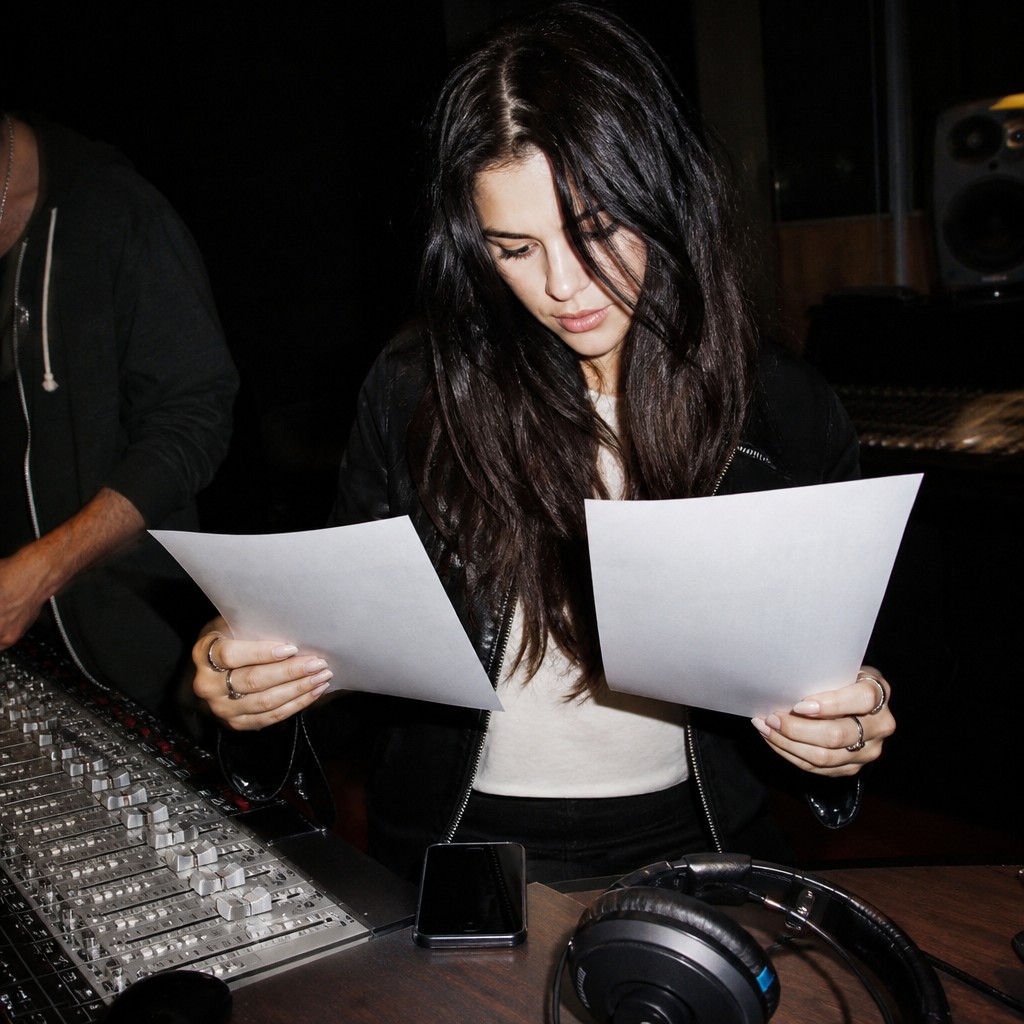
AI music tools can turn a single idea into multiple song versions in minutes. That speed gives creators more options, but it also creates a new challenge: deciding which version is worth refining and sharing. When two tracks both sound promising, choosing by instinct alone can be difficult. A focused comparison helps you identify the version that best serves the song, the listener, and your creative goals.
There is no universal score that makes one version automatically better. The right choice depends on what you want the track to do. Is it meant to tell a story, showcase a vocal, create a mood, or make an immediate impression in a short clip? Use the same listening criteria for both versions, take notes, and compare specific moments rather than relying on a vague first impression.
Start with the song’s purpose
Before pressing play, write down what you want the track to achieve. A strong, intimate vocal performance may matter most for a personal ballad, while a memorable chorus and energetic pacing may be more important for a dance track. Defining your goal gives the comparison a useful reference point and prevents you from judging each version by unrelated standards.
Listen to both versions in the same environment and at a similar volume. If one is noticeably louder, it can seem more exciting even when its arrangement or performance is less effective. Try listening once without interruption, then replay the sections that seem most important: the opening, first verse, transition, chorus, and ending.
Compare the details that shape a song
1. Lyrics and clarity
Ask whether the words are easy to understand and whether they support the song’s central idea. Look for lines that feel specific, natural, and memorable. Notice if a phrase sounds awkward when sung, if a rhyme feels forced, or if the meaning becomes unclear between sections.
Donna AI’s Lyrics tool can support lyric development when a promising musical version needs clearer or more fitting words. Treat suggested lyrics as material to review and shape, not as a reason to stop applying your own judgment. A lyric should sound right in the context of the melody and the story you want to tell.
2. Vocals and performance
Compare the vocal tone, phrasing, pronunciation, and emotional delivery. Does the singer sound convincing in the verse and chorus? Are important words emphasized naturally? Listen for moments where the vocal feels too restrained, overly dramatic, or disconnected from the mood.
A technically clean vocal is useful, but it is not the only measure of a compelling performance. The stronger version may be the one that makes the emotion easier to feel—even if the other has a brighter or more polished sound.
3. Structure and momentum
Notice how quickly each version establishes its identity. Does the intro invite you in, or does it delay the main idea? Does the chorus arrive at the right moment? Do the sections build toward a satisfying payoff, and does the ending feel intentional?
A song can contain attractive sections yet lose momentum as a whole. Compare the complete listening experience, not just the catchiest ten seconds. If one version has a strong core but feels too short, Donna AI’s Extend tool may help you explore a longer arrangement while preserving the direction you prefer.
4. Production and arrangement
Listen for balance, clarity, and the way instruments support the vocal. Ask whether the mix feels crowded, whether the rhythm helps the song move, and whether any sound distracts from the main hook. Consider which version has the most coherent sound rather than simply the most layers.
Donna AI’s Stem Separation can be useful when you want to inspect or work with individual elements. Separating stems can help you focus on how vocals, rhythm, and other parts contribute to the result. Use that insight to make a more informed decision about the arrangement and what might need adjustment.
5. Emotional impact and replay value
After each listen, write down the feeling that stays with you. Which version creates a clearer mood? Which lyric, melody, or moment do you remember later? A useful test is to take a short break and see which song you find yourself humming or wanting to hear again.
Also consider shareability. Does the track have a moment that would make someone curious in a preview? Is the hook easy to recognize, and does the song communicate its identity quickly? Shareability is not a substitute for artistic quality, but it can help you understand how the song may connect with listeners.
Use Donna AI to refine your decision
Once you have a preferred version, Donna AI’s other creative tools can help you explore how it might develop. Song Description can help you put the sound and direction you want into words, making it easier to clarify the qualities you are aiming for. AI Cover offers another way to explore a different vocal or stylistic interpretation, while AI Music Video can help you consider how the track might translate into a visual presentation.
These tools work best as parts of a deliberate process. Keep the version that feels closest to your goal as a reference, then make changes with a specific purpose. Avoid making edits simply because another option is available; each revision should improve something you can identify, such as the hook, the vocal character, or the song’s pacing.
A simple final scorecard
Give each version a score from one to five for the following areas, then add a short note explaining each score:
- Lyrics: clarity, meaning, and memorable lines.
- Vocals: tone, delivery, and emotional connection.
- Structure: pacing, transitions, and payoff.
- Production: balance, coherence, and arrangement.
- Impact: mood, replay value, and a distinctive hook.
- Shareability: how quickly the song communicates its appeal.
Use the scorecard as a guide, not an automatic verdict. If the totals are close, return to your original goal and choose the version that best supports it. You can also keep both versions as creative references if they offer different strengths.
Choose with intention, then listen once more
The strongest AI-generated song is not necessarily the most polished or the most surprising. It is the version that expresses your idea clearly and makes listeners feel something worth returning to. A consistent comparison process helps you recognize that version, refine it with purpose, and move toward release with greater confidence. With Donna AI’s tools supporting each stage, you can turn multiple quick generations into a considered creative decision.
Ready to create your own song?
Turn any idea into a full track with Donna's AI music generator — in minutes, no experience needed.
Try Donna Now
