Got Lyrics But Can't Compose a Melody? AI-Powered Tools Are the Game-Changer
Explore how AI melody generators help songwriters turn lyrics into polished melodies faster, smarter, and with more creative control.
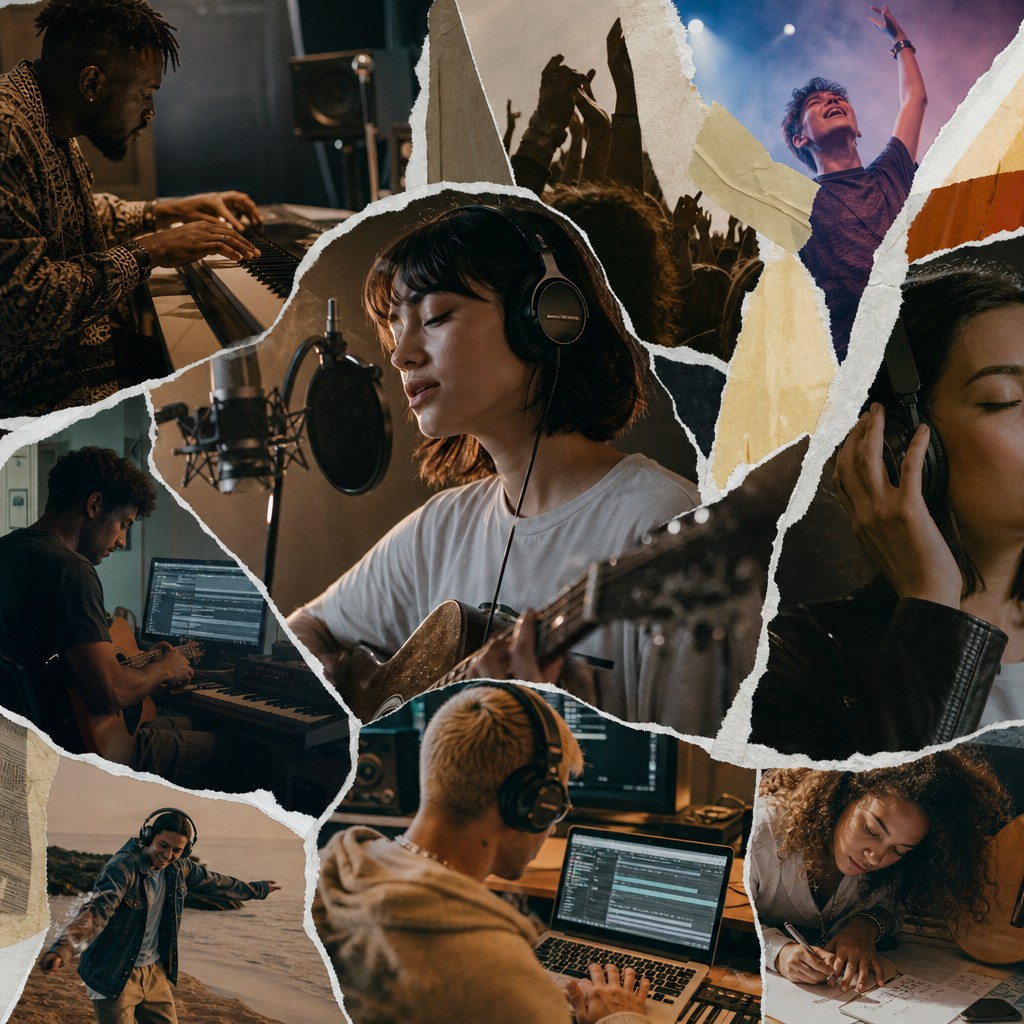
Songwriting has always had one major creative bottleneck: you can write emotionally powerful lyrics, but still struggle to find the melody that makes them unforgettable. For many lyricists, poets, bedroom producers, and independent artists, the words come first. The hook is there. The message is there. The story is strong. But when it is time to translate those lines into pitch, rhythm, and musical phrasing, the process can suddenly feel intimidating.
That gap is exactly where AI-powered melody tools are beginning to make a major impact. Thanks to rapid advances in generative music models, vocal synthesis, and lyric-to-song workflows, creators can now experiment with melodic ideas in minutes instead of waiting for inspiration, hiring a composer, or learning years of music theory before finishing a demo.
Why Lyrics-to-Melody AI Is Trending
The rise of AI songwriting tools reflects a broader shift in the music industry. Artists are increasingly working from home studios, publishing directly to streaming platforms, and using digital tools to accelerate production. At the same time, online searches around AI song generators, AI melody makers, and tools that turn lyrics into songs continue to grow as creators look for faster ways to complete musical ideas.
Unlike traditional composition software, modern AI music platforms are not limited to blank piano rolls or preset loops. Many can analyze lyric structure, detect emotional tone, and suggest melodies that match the mood of a song. Some tools can even generate instrumental backing tracks, vocal guide lines, chord progressions, and genre-specific arrangements.
For songwriters, this is not just about speed. It is about removing friction from the creative process.
How AI Turns Lyrics Into Melodies
AI melody tools typically use large music models trained on patterns across rhythm, harmony, phrasing, and genre conventions. While every product works differently, the general workflow is becoming familiar:
- A songwriter enters original lyrics or a verse and chorus structure.
- The tool analyzes syllable count, line breaks, repetition, and emotional keywords.
- The user selects a genre, tempo, mood, or vocal style.
- The AI generates one or more melody options.
- The creator edits, regenerates, exports, or records over the result.
This process can be especially useful for writers who understand what they want a song to feel like but do not yet know how to express it musically. For example, a heartbreak ballad may require slower phrasing and rising melodic tension, while an upbeat pop chorus may benefit from shorter lines, repeated motifs, and a more energetic hook.
AI does not magically replace taste, emotion, or human judgment. Instead, it acts like a tireless collaborator that can produce starting points quickly.
Key Benefits for Modern Songwriters
1. Faster Demo Creation
A finished demo can be the difference between an idea that stays in a notebook and a song that reaches listeners, collaborators, or labels. AI tools help lyricists move from written concept to audible draft much faster.
Instead of spending days searching for a melody, writers can generate multiple options, compare them, and refine the strongest direction. This is particularly valuable for independent artists who need to produce consistently for social media, streaming releases, or pitch opportunities.
2. Lower Barrier to Entry
Not every great lyricist plays piano, guitar, or understands chord theory. AI melody generators make songwriting more accessible by allowing creators to explore music without needing advanced technical skills.
This does not mean musical knowledge is no longer valuable. In fact, musicians who understand arrangement and harmony may get even more out of these tools. But for beginners, AI can provide a practical bridge between raw expression and finished composition.
3. More Creative Experimentation
One of the most exciting advantages of AI is the ability to test ideas across genres. A set of lyrics can be explored as:
- An acoustic folk song
- A synth-pop anthem
- A cinematic ballad
- A country chorus
- A hip-hop hook
- An electronic dance track
This type of experimentation used to require multiple collaborators or significant production time. Now, writers can rapidly hear how the same emotional message changes depending on melody, rhythm, and arrangement.
4. Better Collaboration Between Lyricists and Producers
AI-generated melodies can also serve as a communication tool. A lyricist who cannot sing or compose fluently can still bring a producer a rough melodic concept. Producers can then reshape, reharmonize, and professionally arrange the idea.
In this way, AI does not remove collaboration from music-making. It can actually make collaboration easier by turning abstract ideas into something concrete.
What to Watch Out For
While AI-powered songwriting tools are powerful, creators should use them thoughtfully. The best results come when AI is treated as an assistant, not an autopilot.
Songwriters should consider:
- Originality: Avoid accepting the first output without editing or personalizing it.
- Licensing: Always review the platform's terms before releasing AI-assisted music commercially.
- Vocal authenticity: A generated melody may need human performance to feel emotionally convincing.
- Overproduction: Strong songs still depend on clear ideas, memorable hooks, and honest storytelling.
A great melody is not only technically correct. It must feel inevitable, human, and connected to the lyric. That final emotional judgment still belongs to the artist.
The Future of AI-Assisted Songwriting
The next generation of AI music tools will likely become even more interactive. Instead of simply generating a melody, platforms may allow users to ask for specific creative revisions such as “make the chorus more uplifting,” “add tension before the hook,” or “create a melody inspired by 1990s R&B phrasing without copying any artist.”
We can also expect deeper integration with digital audio workstations, mobile recording apps, and distribution platforms. A songwriter may soon be able to write lyrics on a phone, generate melody ideas instantly, record vocals, build an arrangement, and publish a demo from a single workflow.
For the music industry, this could lead to more songs, more diverse voices, and more creators entering the market. For individual artists, it means the distance between inspiration and execution is shrinking.
Final Thoughts
If you have lyrics but cannot compose a melody, AI-powered music tools are no longer a futuristic novelty. They are becoming practical creative partners for today's songwriters, producers, and independent musicians.
The real game-changer is not that AI can generate melodies. It is that AI gives creators permission to keep moving. Instead of abandoning a strong lyric because the music is missing, writers can explore possibilities, discover new directions, and shape raw ideas into songs that listeners can actually hear.
In the end, the most compelling music will still come from human emotion, lived experience, and artistic taste. But with AI helping bridge the gap between words and melody, more creators now have the tools to turn their stories into songs.
Ready to create your own song?
Turn any idea into a full track with Donna's AI music generator — in minutes, no experience needed.
Try Donna Now
