Donna AI in 2026: Turning Prompts, Photos, and Lyrics Into Finished Songs
Discover how Donna AI helps creators turn prompts, photos, and lyrics into songs, vocals, stems, covers, and AI music videos in 2026.
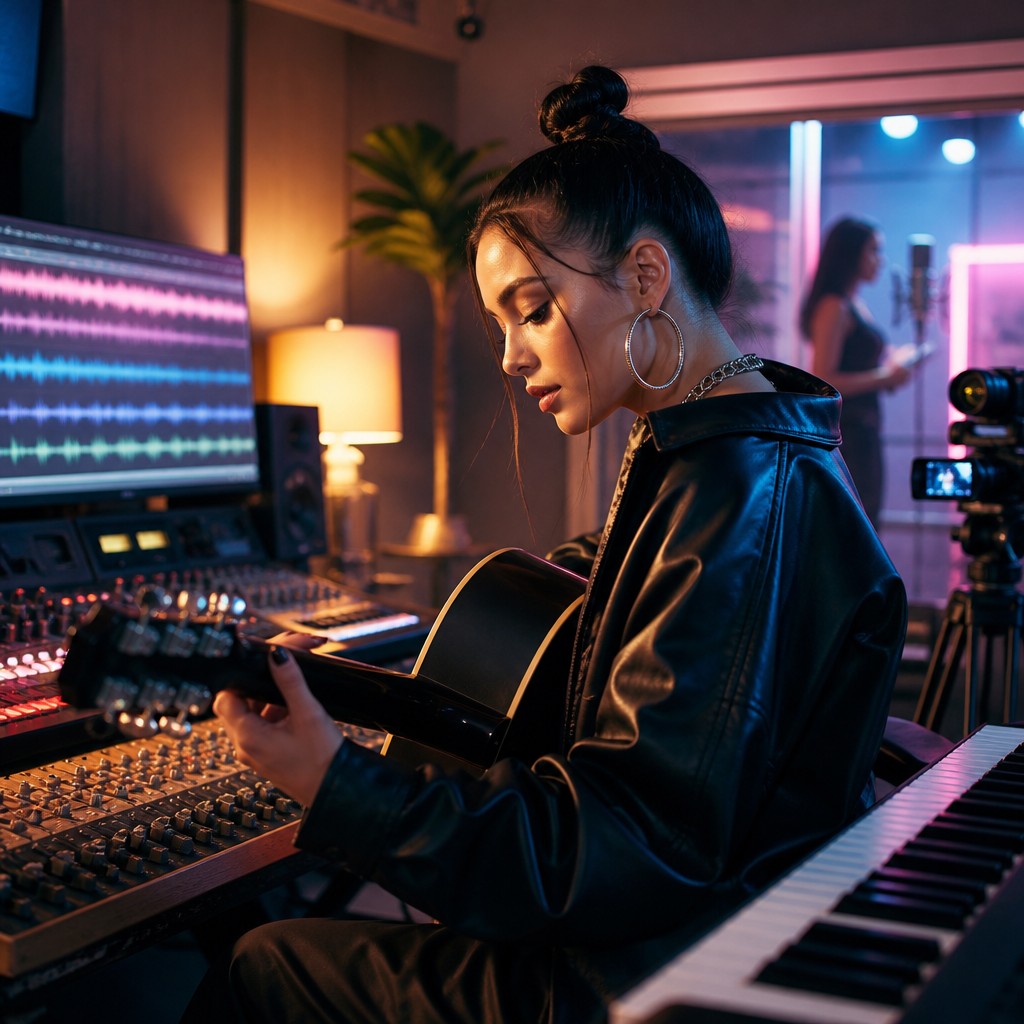
AI music creation is no longer a futuristic experiment reserved for producers with advanced studio knowledge. In 2026, it is becoming a practical, mobile-first workflow for creators, artists, marketers, video editors, gamers, podcasters, and everyday music fans. The biggest shift is simple but powerful: people can now describe an idea, upload a photo, write a few lyrics, or choose a vibe, and an AI music generator can help turn that input into a complete track.
Donna AI sits directly inside this fast-moving transformation. Instead of treating music production as a complicated sequence of technical steps, Donna AI focuses on accessibility: prompt-based song generation, vocals, lyrics, stems, AI covers, and music videos that can be created with far less friction than traditional production workflows.
The Rise of Creator-First AI Music Tools
For years, digital music production meant learning recording software, managing plugins, understanding arrangement, mixing audio, and often investing in hardware. Those tools are still essential for professional producers, but AI music generators are opening a new creative lane. The new question is not only how do I produce this sound? but what idea do I want to express?
This is where Donna AI becomes relevant. It is designed around the way modern creators think: fast, visual, social, and idea-driven. A user may not know music theory, but they might know they want a sad acoustic pop song, an energetic trap hook, a cinematic background track for a video, or a romantic ballad inspired by a photo. Donna AI helps bridge the gap between imagination and finished audio.
Why 2026 Is a Turning Point
The AI music space is accelerating because several trends are converging at once:
- Mobile creation is becoming the default, especially for short-form video creators and independent artists.
- Prompt-based tools are easier to understand than traditional production software.
- AI vocals and lyric generation are improving, making songs feel more complete.
- Stem separation and remix tools are expanding creative control after generation.
- Music videos and visual assets are becoming part of the same workflow rather than a separate production step.
Together, these trends point toward a future where music creation is not limited by access to a studio. Instead, the starting point can be a sentence, an image, a mood, or a few lines of lyrics.
From Simple Prompts to Complete Songs
One of Donna AI's most search-relevant features is instant song creation from prompts. A creator can describe the desired genre, mood, tempo, or story, and the AI can generate a track that feels aligned with the input. This is especially useful for people who need original music quickly but do not want to browse endless stock libraries.
For example, a user might request:
- A dreamy synth-pop song about late-night driving
- A powerful rock anthem with emotional vocals
- A relaxing lo-fi beat for studying
- A cinematic background track for a travel vlog
- A dance-pop chorus with catchy lyrics
The value is not just speed. It is the ability to iterate. If the first version is close but not perfect, users can refine the concept, adjust the mood, or try a different style. This makes Donna AI feel less like a one-click novelty and more like a creative companion.
Image-to-Song: Turning Visual Inspiration Into Music
One of the most exciting directions in AI music is image-to-song generation. Visual prompts are natural for modern creators because so much content begins with an image: album art, a social post, a mood board, a landscape, a portrait, or a memory captured on a phone.
With image-to-song workflows, a photo can become a creative seed. A sunset beach image might inspire a warm acoustic track. A neon city street could turn into a synthwave song. A portrait might lead to an emotional ballad or cinematic theme. Instead of asking users to explain every musical detail, AI can help interpret visual tone and translate it into sound.
For creators, this opens a strong storytelling advantage. Music can match the emotional texture of an image, making content feel more unified and memorable.
Lyrics, Vocals, and AI Covers
A finished song requires more than a beat. Lyrics and vocals often define the identity of a track. Donna AI reflects the broader 2026 trend of bringing songwriting and vocal generation into the same creative environment.
Users can start with their own lyrics or use AI assistance to develop lines, hooks, verses, and choruses. This can be useful for beginners who have an idea but struggle with structure, as well as experienced creators who want to brainstorm faster.
AI cover functionality is another major area of interest. Covers allow users to reimagine songs in different styles, moods, or vocal interpretations. While creators should always respect rights, permissions, and platform rules, AI covers are becoming a popular way to explore musical transformation and creative reinterpretation.
Stem Separation Gives Creators More Control
A key reason AI music tools are maturing is that they are no longer only about generating a flat audio file. Stem separation gives users access to individual parts of a track, such as vocals, drums, bass, and instruments.
This matters because creative control does not stop after generation. With stems, users can:
- Remix a song more easily
- Remove or isolate vocals
- Adjust instrumental sections
- Create karaoke-style versions
- Repurpose parts of a track for videos or edits
- Build new arrangements from an existing idea
For producers, stems can become raw material. For casual creators, they make editing more flexible and less intimidating.
AI Music Videos and the New Creator Workflow
Music today is deeply connected to visuals. Songs often travel through TikTok, Instagram Reels, YouTube Shorts, lyric videos, and visualizers. That is why AI music video creation is becoming a natural extension of AI song generation.
Donna AI's broader value is not just generating sound; it supports the idea of an end-to-end creative pipeline. A creator can move from concept to song, from song to visual, and from visual to shareable content. This is especially important for independent artists and content creators who need to publish consistently without managing a large production team.
Who Can Benefit From Donna AI?
Donna AI is useful for many types of users, including:
- Independent musicians testing song ideas quickly
- Content creators needing original music for videos
- Social media editors matching music to visual moods
- Podcasters creating intros, outros, and background tracks
- Marketers producing branded audio concepts
- Writers and storytellers turning scenes or emotions into songs
- Casual users experimenting with music for fun
The common thread is accessibility. Donna AI lowers the barrier between idea and output, allowing more people to participate in music creation.
The Future of AI Music Is Collaborative
The most compelling way to understand Donna AI in 2026 is not as a replacement for human creativity, but as a creative amplifier. The user still provides taste, direction, emotion, context, and feedback. The AI helps translate those inputs into musical form.
This collaborative model is likely to define the next phase of music technology. Instead of forcing everyone to become a technical producer, tools like Donna AI allow people to create through natural language, images, and intuitive choices. Professional musicians may use it for ideation, while beginners may use it to make their first complete song.
Final Thoughts
Donna AI represents the growing movement toward fast, accessible, and creator-first AI music generation. Its focus on prompts, photos, lyrics, vocals, covers, stems, and AI music videos reflects what modern creators increasingly need: tools that move at the speed of ideas.
As 2026 pushes AI music further into everyday creative workflows, the winners will be platforms that balance simplicity with flexibility. Donna AI is part of that shift, helping users turn inspiration into finished songs without requiring a studio, a production background, or a complicated learning curve.
For anyone curious about the future of music creation, Donna AI offers a clear glimpse of where the industry is heading: more visual, more mobile, more interactive, and more open to everyone with an idea.
Ready to create your own song?
Turn any idea into a full track with Donna's AI music generator — in minutes, no experience needed.
Try Donna Now
