Donna AI in 2026: The AI Song Generator Turning Prompts, Photos, Lyrics, and Voices Into Music
Discover how Donna AI turns prompts, lyrics, photos, and voices into complete songs, AI covers, stems, and music videos in 2026.
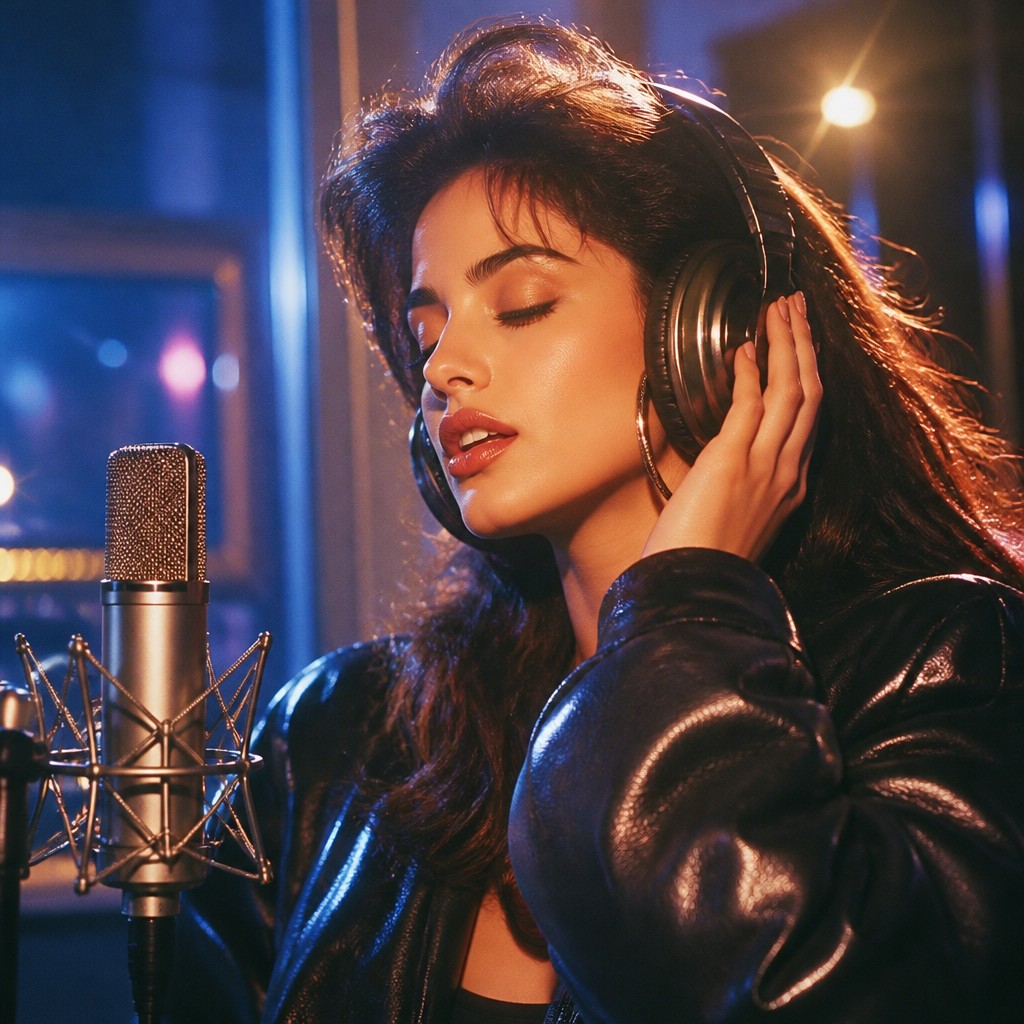
AI music has moved far beyond the novelty stage. What once sounded like a rough demo created from a short text prompt is quickly becoming a complete creative workflow: write lyrics, choose a mood, generate vocals, remix a voice, create stems, design a cover, and publish a music video. In 2026, Donna AI represents this shift by positioning itself as an accessible AI music studio for everyday creators, songwriters, content makers, and musicians.
Instead of requiring expensive studio time, complicated production software, or years of technical training, Donna AI gives users a faster way to turn inspiration into finished music. A mood, a phrase, a photo, a few lines of lyrics, or even a voice can become the starting point for a song that is ready to share.
The New Era of AI Song Generators
The demand for AI song generators has grown because music creation is no longer limited to professional studios. Creators need original tracks for social videos, podcasts, games, livestreams, ads, personal projects, and fan communities. At the same time, songwriters want fast ways to test melodies, genres, hooks, and lyrical concepts without waiting for a full production session.
Donna AI fits into this moment by focusing on speed, simplicity, and creative flexibility. A user can begin with a short prompt such as “a dreamy pop song about late-night memories” or “an emotional acoustic ballad with cinematic vocals.” From there, AI can help shape the track into something more complete, giving creators a practical way to explore musical ideas before committing to a final direction.
Why Prompt-to-Song Creation Matters
Prompt-based music generation is powerful because it removes the blank page problem. Many people have ideas for songs but do not know how to arrange chords, structure verses, create beats, mix vocals, or produce a polished track. AI song generators reduce that friction by translating descriptive language into musical output.
With Donna AI, prompts can represent:
- Mood, such as happy, nostalgic, romantic, dark, cinematic, or energetic
- Genre, including pop, hip-hop, EDM, rock, acoustic, R&B, or soundtrack-style music
- Theme, such as friendship, heartbreak, motivation, travel, celebration, or personal growth
- Use case, including background music, social media clips, demos, covers, or storytelling projects
This makes the tool useful not only for musicians, but also for creators who simply need music that matches a feeling.
From Lyrics to Complete Tracks
Lyrics remain one of the most personal parts of songwriting. Donna AI’s broader appeal comes from its ability to support lyric-driven creation, where users can bring their own words and transform them into a full song. This is especially valuable for emerging songwriters who may have notebooks full of verses but lack the production tools to hear them performed.
By combining lyrics with AI-generated melodies, arrangements, and vocals, creators can quickly test whether a chorus works, whether a verse has emotional weight, or whether a concept fits better as a dance track, ballad, or indie pop song. The result is a more responsive songwriting process where experimentation feels natural.
A Practical Studio for Beginners and Songwriters
For beginners, Donna AI lowers the technical barrier. For songwriters, it becomes a fast sketchpad. For musicians, it can act as a brainstorming partner. This mix is important because AI music tools are not just about replacing steps; they are about expanding what people can try.
A creator might use Donna AI to:
- Turn a poem into a structured song
- Generate several genre variations of the same lyric
- Create a vocal demo before hiring a singer
- Build a quick reference track for collaborators
- Explore hooks, melodies, and emotional tones
In this way, the platform supports both casual creativity and more serious music development.
Image-to-Song: Turning Photos Into Sound
One of the most interesting trends in AI music is image-to-song generation. Photos are emotional shortcuts. A sunset, a city street, a portrait, a concert shot, or a travel memory can instantly suggest a mood. Donna AI’s image-based workflow reflects how people already think visually on social platforms.
Instead of describing a mood manually, a user can start from an image and let AI interpret the atmosphere. A bright beach photo might inspire upbeat summer pop. A black-and-white portrait might become a soulful piano track. A neon city scene could lead to synthwave, trap, or electronic music.
This is especially useful for content creators who want music that matches the visual identity of a post, reel, short video, or personal memory. It also makes music creation feel more intuitive: upload an image, choose a direction, and let the sound follow the story.
AI Vocals and AI Covers Are Becoming Mainstream
Realistic AI vocals are one of the major reasons AI music tools are gaining attention. A song idea becomes far more engaging when it includes an expressive voice rather than only an instrumental backing track. Donna AI’s focus on vocals and covers aligns with a growing creator demand for personalized performances.
AI vocals can help users hear how lyrics might sound in different styles, ranges, and moods. AI covers can also reimagine existing musical ideas in new ways, allowing creators to experiment with tone and performance style. For responsible creators, these workflows can open new forms of parody, tribute, education, concept testing, and fan creativity while still requiring thoughtful attention to rights, permissions, and ethical use.
Voice-to-Music Personalization
The ability to use a voice as part of the creative process is another important step. Whether someone wants to experiment with their own vocal tone or create a stylized performance, voice-driven music tools make the final output feel more personal. For many users, this is the difference between generating “a song” and generating “my song.”
Stems, Covers, and Music Videos: The Full Workflow
What makes 2026 different from earlier AI music moments is the move from single-output generation to full creative workflows. A modern creator does not only need a song. They may need isolated stems, alternate versions, cover concepts, lyric videos, visual clips, and assets optimized for platforms like TikTok, YouTube Shorts, Instagram Reels, and streaming pages.
Donna AI’s broader direction reflects this need. Stem generation can help users separate vocals, drums, bass, and instruments for remixing or editing. Cover tools can support reinterpretation and style exploration. Instant music video features can help transform a finished track into a shareable visual experience.
For creators, this matters because distribution is now part of the creative process. A song is more likely to travel when it has strong visuals, short-form edits, and flexible versions for different channels.
Who Can Benefit From Donna AI?
Donna AI is designed for a wide range of users, including:
- Beginners who want to make music without learning production software first
- Songwriters who need quick demos and arrangement ideas
- Content creators looking for original music that matches their visuals
- Musicians who want to prototype hooks, covers, or genre variations
- Social media users turning memories, captions, and photos into songs
- Podcasters and video editors needing mood-specific background tracks
Its value comes from making music creation feel less intimidating while still offering enough flexibility for more experienced creators to explore.
The Bigger Picture for AI Music in 2026
AI music is becoming a normal part of the creator toolkit. Just as photo editing apps made design easier and video apps turned everyone into a publisher, AI song generators are making music creation more accessible. Donna AI shows how the next stage is not only about generating audio, but about building an end-to-end creative studio around a single idea.
The most exciting part is not that AI can produce a song quickly. It is that more people can now participate in music-making. Someone with a memory, a lyric, a photo, or a voice note can turn that spark into something polished enough to share.
Final Thoughts
Donna AI in 2026 highlights where AI music is heading: toward faster, more personal, and more complete creative workflows. By combining prompt-to-song generation, lyric-based creation, realistic AI vocals, image-to-song tools, AI covers, stems, and music videos, Donna AI gives creators a practical way to move from inspiration to publication.
For beginners, it is an easy entry point into music creation. For songwriters, it is a rapid demo tool. For content creators, it is a way to match sound with story. And for musicians, it is a flexible space to experiment with new ideas.
As AI music tools continue to evolve, platforms like Donna AI will likely play a major role in redefining what it means to make a song. In this new creative landscape, the studio can begin with a prompt, a photo, a lyric, or a voice — and the result can be a complete track ready for the world to hear.
Ready to create your own song?
Turn any idea into a full track with Donna's AI music generator — in minutes, no experience needed.
Try Donna Now
