Donna AI and the 2026 AI Music Creation Boom: From Prompts to Full Songs and Videos
Discover how Donna AI supports the 2026 AI music boom with song generation, realistic vocals, AI covers, stems, and music videos.
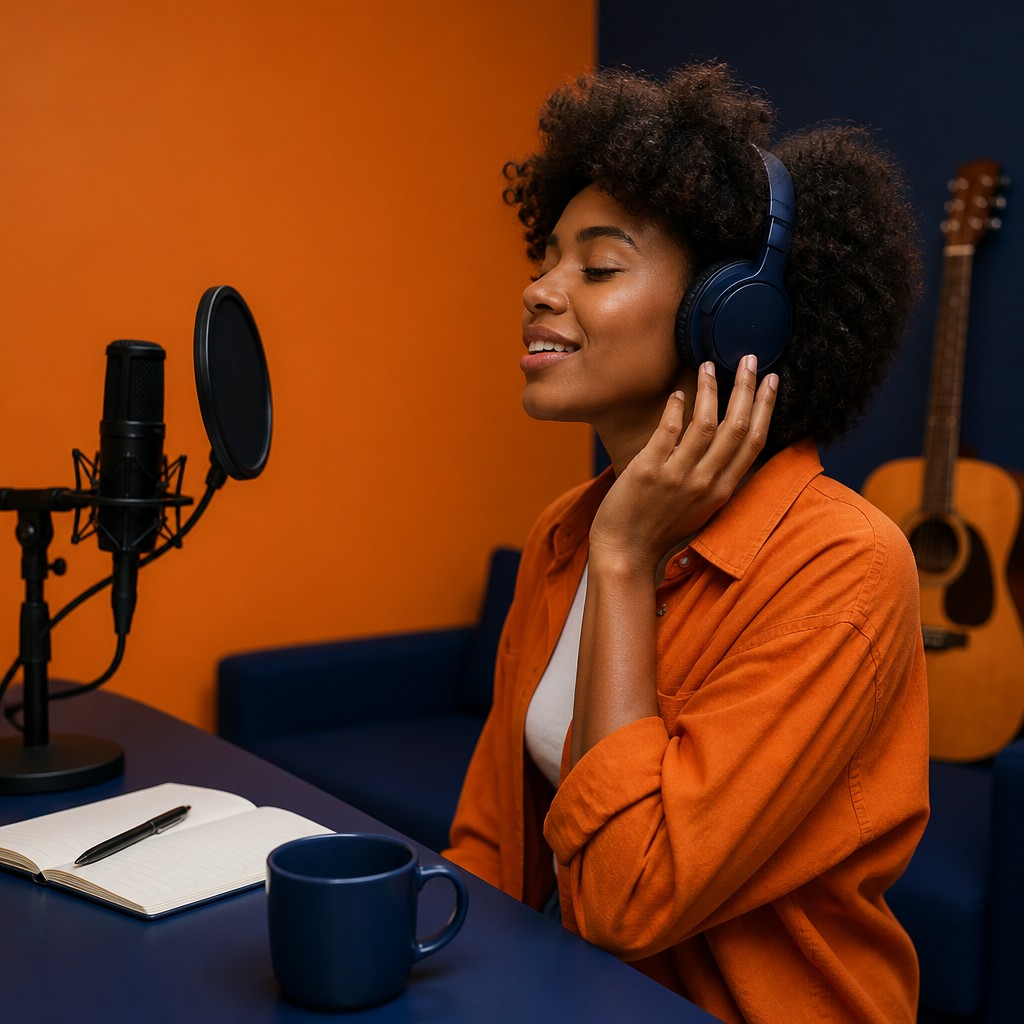
The next phase of AI music is no longer about testing novelty tools for a few seconds of entertainment. In 2026, creators increasingly expect AI platforms to help them move from a rough idea to a polished, shareable result. That result may be a full song with realistic vocals, a cover in a different voice, separated stems for remixing, or even a short music video designed for social platforms.
Donna AI enters this moment with a clear opportunity: to become an all-in-one creative workspace for people who want to make music without needing years of production experience. Instead of forcing users to jump between songwriting apps, voice tools, mixing plugins, video editors, and file converters, a streamlined AI music platform can bring the entire workflow together.
Why AI Music Creation Is Becoming a Daily Creator Tool
For years, music production was associated with expensive gear, trained engineers, studio sessions, and complex software. While professional production is still an art form, AI is lowering the barrier for a much wider audience. Today, a creator can start with a sentence, a mood, a lyric fragment, or a vocal idea and quickly generate something that sounds complete enough to publish, test, or develop further.
This shift matters because modern creators move fast. A TikTok creator may need an original hook for a trend. A YouTuber may want background music that matches a specific emotional tone. A podcaster might need an intro theme. A singer may want to hear how their lyrics could sound in pop, rock, EDM, or acoustic styles before committing to a full production session.
AI music tools are becoming useful because they solve practical problems:
- Speed: Songs and demos can be generated in minutes instead of days.
- Accessibility: Users do not need advanced music theory or engineering knowledge.
- Experimentation: Creators can test genres, moods, lyrics, and vocal styles quickly.
- Affordability: AI workflows can reduce the cost of early-stage production.
- Shareability: Finished outputs can be used across social platforms, videos, and campaigns.
Donna AI’s Role in the New Music Workflow
Donna AI can stand out by focusing on the complete journey from idea to finished media. The most valuable AI music platforms in 2026 are not just generators; they are workflow engines. A user should be able to arrive with a simple creative spark and leave with a song that feels ready to share.
That means supporting several high-demand use cases in one place. Text-to-song generation is the foundation, but creators increasingly want more control and more output formats. They want realistic vocals, genre flexibility, lyric assistance, AI cover capabilities, stem separation, and music videos that make songs more engaging on visual platforms.
Turning Text Prompts Into Complete Songs
Text prompts are one of the most powerful entry points for AI music. A user can describe a vibe such as “cinematic emotional pop song about moving to a new city” or “high-energy dance track for a fitness video” and receive a structured result. The best experiences go beyond instrumental loops by producing full arrangements with verses, choruses, melodies, and vocals.
For creators, this removes the blank-page problem. Instead of asking, “Where do I begin?” they can simply describe what they want. Donna AI can make that first step feel natural, especially for users who think in emotions, stories, and aesthetics rather than chord progressions or production terminology.
Realistic Vocals and AI Covers Are Driving Demand
One of the biggest reasons AI music has captured attention is the rapid improvement of vocal generation. Listeners respond strongly to voices because vocals carry emotion, character, and identity. When AI-generated music includes expressive singing rather than generic synthetic tones, the result feels more complete and more usable.
AI covers also reflect a major creator trend. People enjoy reimagining songs in different vocal styles, languages, genres, or moods. For responsible platforms, this area requires thoughtful safeguards and respect for rights, consent, and originality. But when handled properly, AI cover tools can help users experiment creatively, reinterpret their own material, or produce fun alternate versions for personal and social use.
Donna AI’s advantage is the ability to combine generation and transformation. A creator might write lyrics, generate an original song, produce a vocal version, separate the stems, and then create a video clip from the final track. This integrated flow is far more convenient than using disconnected tools.
Stem Separation Makes AI Music More Editable
Finished songs are useful, but editable songs are even more powerful. Stem separation lets users isolate vocals, drums, bass, instruments, or other parts of a track. This is important for remixing, karaoke versions, vocal cleanup, content repurposing, and collaboration.
For example, a creator may generate a song and then decide the vocal is strong but the drums need a different energy. With stems, the track becomes flexible. A podcaster may remove vocals and use the instrumental as background music. A singer may use the instrumental stem for practice or performance. A DJ may isolate elements for a remix idea.
By offering stem separation alongside generation, Donna AI can serve both beginners and more advanced creators. Beginners get simple outputs, while experienced users gain more control.
From Songs to Instant Music Videos
Music is now deeply connected to visual content. A great song snippet can perform better when paired with a compelling video, lyric visualizer, animated cover, or short-form clip. This is especially true for platforms where discovery is driven by visuals as much as audio.
Instant AI music video creation can help users package their songs for modern distribution. Instead of exporting audio and opening a separate editing app, creators can generate videos that match the song’s mood, artwork, theme, or lyrics. This creates a smoother path from creation to publication.
For independent artists, marketers, influencers, and casual creators, that convenience matters. The goal is not only to make music; it is to make music that can travel.
What Creators Want From AI Music Platforms in 2026
As AI music becomes more mainstream, users will expect platforms like Donna AI to deliver more than impressive demos. They will look for reliability, quality, and creative control. The most important expectations include:
- Natural-sounding vocals that carry emotion and fit the genre.
- Clear song structure with intros, verses, choruses, bridges, and endings.
- Genre variety for pop, rap, EDM, rock, acoustic, cinematic, and more.
- Fast exports for social media, video editing, and distribution workflows.
- Flexible editing tools such as stems, lyrics, covers, and alternate takes.
- Simple user experience that works for non-musicians as well as creators with production knowledge.
Donna AI’s positioning can be especially strong if it continues emphasizing ease of use without sacrificing output quality. The winning AI music tools will be the ones that make complex production feel simple.
The Bigger Picture: AI as a Creative Partner
The rise of AI music does not mean human creativity becomes less important. In many cases, it makes human taste more important. The user still decides the concept, mood, message, lyrics, direction, and final selection. AI accelerates the process, but the creator shapes the result.
This is why Donna AI fits naturally into modern creator culture. It can act as a creative partner for people who have ideas but need help transforming those ideas into finished media. A lyricist can hear their words performed. A video creator can produce custom music. A hobbyist can make a birthday song. An independent artist can brainstorm demos before entering a studio.
Final Thoughts
The 2026 AI music creation boom is about accessibility, speed, and complete creative workflows. Users do not simply want short audio experiments; they want finished songs, realistic vocals, AI covers, editable stems, and videos they can share immediately.
Donna AI is well positioned for this shift because it aligns with what creators are actively searching for: an easy way to turn ideas, lyrics, photos, and voices into polished musical content. As AI music continues moving from novelty to everyday production assistant, platforms that combine quality, simplicity, and end-to-end creation will define the next era of digital music.
For creators, the message is clear: the distance between an idea and a finished song has never been shorter.
Ready to create your own song?
Turn any idea into a full track with Donna's AI music generator — in minutes, no experience needed.
Try Donna Now
