BPM Explained: Mastering Tempo for AI-Powered Music with Donna AI
Learn how BPM affects AI music creation and how Donna AI helps artists master tempo for better songs, grooves, and emotional impact.
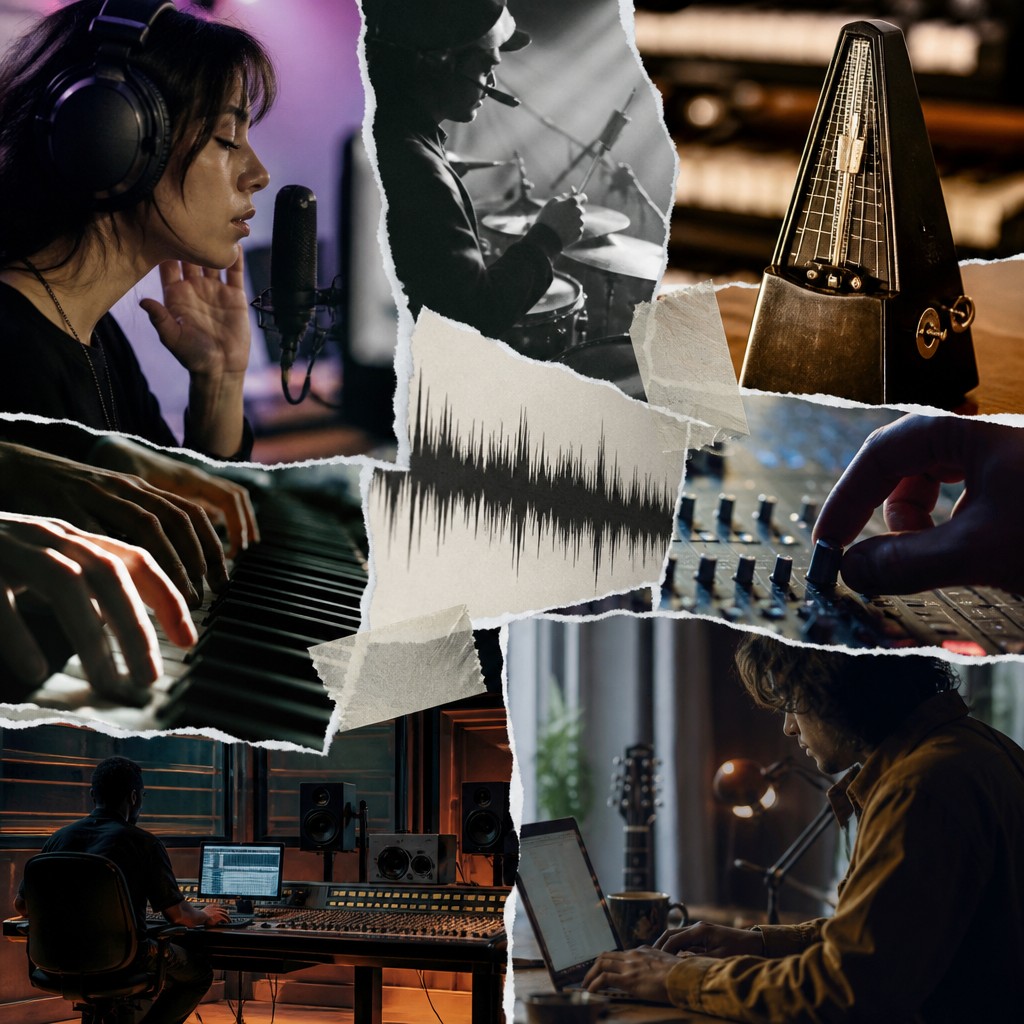
BPM Explained: Why Tempo Matters More Than Ever in AI Music
In modern music production, BPM, or Beats Per Minute, is more than a technical number on a project file. It is the heartbeat of a song. Whether you are creating a cinematic ballad, an upbeat pop anthem, a driving house track, or a relaxed lo-fi loop, BPM influences how listeners move, feel, and connect with the music.
As AI-powered music tools become more central to the creative process, understanding tempo has become even more valuable. Platforms like Donna AI are changing how artists, producers, content creators, and beginners generate songs by making composition faster, more accessible, and more experimental. But even with advanced AI, one creative decision remains essential: choosing the right BPM.
What Is BPM in Music?
BPM stands for Beats Per Minute. It measures how many beats occur in one minute of music. A song at 60 BPM has one beat per second, while a track at 120 BPM has two beats per second. This simple measurement shapes the overall pace, rhythm, and energy of a composition.
Tempo can make the same melody feel completely different. A chord progression at 70 BPM might sound emotional and reflective. Increase it to 125 BPM, and the same harmonic idea could become energetic, danceable, and radio-ready. That is why BPM is one of the first decisions producers consider when building a track.
Common BPM ranges by genre
While rules are always flexible, many genres tend to live within familiar tempo ranges:
- Ballads and cinematic music: 60–80 BPM
- Hip-hop and trap: 70–100 BPM, often with half-time feel
- Pop music: 95–130 BPM
- House and dance music: 120–128 BPM
- Techno: 125–140 BPM
- Drum and bass: 160–180 BPM
- Lo-fi and chill beats: 65–90 BPM
These ranges are useful starting points, but the best BPM depends on the emotional goal of the song. AI music generation makes it easier to test different tempos quickly, helping creators compare moods before committing to a final direction.
Why BPM Is Crucial for AI-Generated Music
AI music creation is not just about pressing a button and receiving a finished track. The strongest results often come from a blend of intelligent automation and human direction. BPM is one of the clearest ways creators can guide the AI toward a specific sound.
When you set or influence tempo, you are shaping several musical elements at once:
- Groove: Faster tempos can create excitement, while slower tempos allow space and depth.
- Vocal delivery: Rap flows, pop hooks, and sung melodies all respond differently to tempo.
- Arrangement: Drums, basslines, synth patterns, and transitions depend heavily on BPM.
- Emotion: Tempo affects whether a track feels calm, urgent, romantic, intense, or playful.
- Use case: Background music for videos, workout playlists, podcasts, and social clips often require different BPM choices.
For example, a creator using Donna AI to make a motivational fitness track might aim for a higher BPM to support movement and energy. Someone producing a reflective acoustic-style song may prefer a slower tempo that gives lyrics room to breathe.
How Donna AI Helps Creators Think About Tempo
Donna AI’s approach to AI-powered music creation is designed for both experienced musicians and newcomers. Instead of forcing users into a complicated production environment, the platform makes song generation intuitive while still allowing meaningful creative control.
Tempo selection plays an important role in that workflow. By understanding BPM, users can describe the type of song they want with more precision. Rather than simply asking for an upbeat song, a creator might request a pop track around 120 BPM with bright drums and an energetic chorus. That level of direction can produce a more focused and usable result.
BPM as a creative shortcut
One of the biggest advantages of using AI in music production is speed. Traditional experimentation with tempo can involve duplicating sessions, stretching audio, re-recording parts, and adjusting MIDI. With AI-assisted creation, creators can explore multiple tempo directions faster.
This makes BPM a creative shortcut. You can test whether your idea works better as:
- A slow emotional version
- A mid-tempo radio-friendly version
- A fast dance version
- A cinematic build-up
- A relaxed background track
Instead of guessing, you can generate, compare, and refine. That is where Donna AI becomes especially useful for modern creators who need high-quality music for videos, campaigns, demos, social media, or personal projects.
Choosing the Right BPM for Your Song Idea
The best BPM starts with intention. Before generating a track, ask what the music should make people feel. Should listeners dance, focus, relax, cry, celebrate, or feel suspense? Once the emotional target is clear, tempo becomes easier to choose.
Practical BPM tips for AI music creators
Use these guidelines when working on AI-generated songs:
- Start with the mood: Sad and intimate often works slower; exciting and bold often works faster.
- Consider the listener: Music for workouts, short videos, meditation, and storytelling each has different pacing needs.
- Think about vocals: Faster BPMs may require shorter phrases, while slower BPMs allow longer melodic lines.
- Experiment with contrast: A slower verse and energetic chorus feel can create emotional lift, even within one tempo.
- Avoid choosing BPM randomly: Tempo should support the genre, structure, and purpose of the track.
If you are unsure where to begin, start with a genre-based range. For a pop song, try around 110–125 BPM. For lo-fi, explore 70–85 BPM. For house, begin near 124 BPM. Then adjust based on how the generated result feels.
The Future of Tempo in AI Music Production
As AI music platforms evolve, tempo control will likely become even more sophisticated. Future tools may allow creators to automate BPM changes, shift rhythmic intensity between sections, or instantly reinterpret a song in multiple genres. This could bring professional-level arrangement techniques to everyday users.
Donna AI represents a growing movement in which technology does not replace creativity but expands it. BPM is a perfect example. The number itself is simple, but the creative outcome is powerful. By learning how tempo works, users can communicate better with AI tools and produce music that feels more intentional, emotional, and polished.
Final Thoughts
BPM may seem like a small detail, but it is one of the most important building blocks in music. In AI-powered creation, it becomes a practical bridge between human imagination and machine-generated sound. The right tempo can transform a draft into a song that feels alive.
With Donna AI, creators can explore tempo in a faster, more flexible way. Whether you are making your first AI-generated track or refining a full creative concept, mastering BPM will help you get closer to the sound you hear in your head.
In the age of AI music, tempo is not just a setting. It is a creative decision.
Ready to create your own song?
Turn any idea into a full track with Donna's AI music generator — in minutes, no experience needed.
Try Donna Now
