AI Song Generator vs. Traditional Songwriting: What Changes for Creators in 2026?
Compare AI song generators and traditional songwriting in 2026, including Donna AI workflows, speed, control, and production.
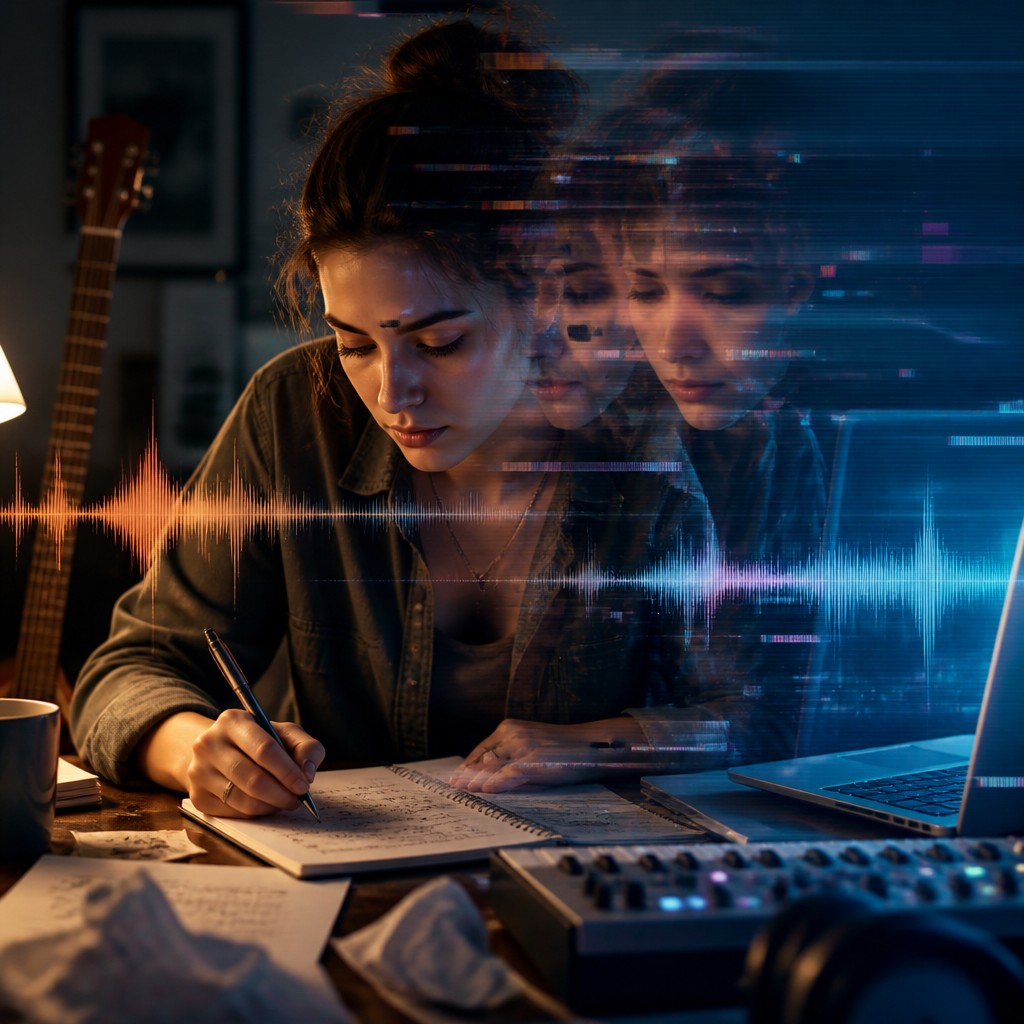
Songwriting has always been a balance between inspiration, craft, and production skill. For decades, the process usually began with a melody hummed into a phone, a few chords on a guitar or piano, a notebook full of lyrics, and many hours of arranging, recording, editing, and mixing. In 2026, that path still exists, but it now sits beside a radically faster and more accessible option: the AI song generator.
Tools like Donna AI are changing how creators move from idea to finished track. Instead of requiring a full studio setup or years of production experience, creators can now generate complete songs from prompts, written lyrics, photos, and even voice models. This does not mean traditional songwriting is disappearing. Rather, the definition of songwriting is expanding.
Traditional Songwriting: The Classic Creative Journey
Traditional songwriting is often slow, personal, and deeply hands-on. A creator may start with a feeling, phrase, rhythm, or chord progression. From there, the song develops through exploration: finding the right hook, shaping verses, testing melodies, refining lyrics, and deciding how the final arrangement should feel.
This process usually includes several stages:
- Concept development, where the songwriter defines the story, mood, or message.
- Lyric writing, including rhyme, structure, emotional pacing, and phrasing.
- Melody and chord creation, often using an instrument or vocal improvisation.
- Arrangement, deciding where drums, bass, synths, guitars, or strings enter.
- Recording and production, which may require software, microphones, plugins, and mixing knowledge.
- Editing and mastering, where the track is polished for release.
The advantage of this approach is complete human authorship and intentionality. Every chord change, vocal line, and lyric revision can reflect the creator’s personal taste. The challenge is that traditional songwriting can be time-consuming, expensive, and intimidating for beginners who do not play instruments or understand music production.
AI-Assisted Music Creation: From Prompt to Full Song
AI-assisted songwriting works differently. With Donna AI, creators can begin with a simple song description prompt such as “an emotional pop ballad about starting over after heartbreak” or “a high-energy electronic track for a night drive.” The system can interpret mood, genre, tempo, instrumentation, and structure, then generate a full song idea in minutes.
This changes the first step of songwriting. Instead of asking, “What chord should I play?” a creator may ask, “What world should this song live in?” That shift makes music creation more accessible to writers, influencers, filmmakers, game developers, podcasters, brands, and everyday listeners who have ideas but not necessarily production training.
Speed Becomes a Creative Advantage
One of the biggest differences between traditional songwriting and AI song generation is speed. A conventional demo can take days or weeks to complete, especially if the creator needs collaborators, session musicians, or a producer. With AI, multiple versions can be generated quickly, allowing creators to compare directions before committing.
For example, a user might test the same lyric as:
- A cinematic rock anthem
- A soft acoustic folk song
- A dance-pop track
- A lo-fi R&B version
- A dramatic orchestral piece
This rapid experimentation can encourage more creative risk-taking. Instead of spending an entire week producing one version, creators can explore several moods and styles early in the process.
Lyrics-to-Song: A New Path for Writers
For lyricists, poets, and storytellers, lyrics-to-song tools are particularly important. Many people can write powerful words but struggle to turn them into melodies or arrangements. Donna AI helps bridge that gap by transforming lyrics into complete songs with vocals, instrumentation, and genre direction.
This does not remove the value of lyrical craft. In fact, strong lyrics can produce stronger AI-assisted results. The creator still shapes the emotional message, word choice, narrative arc, and chorus impact. The AI becomes a production partner that helps translate written language into music.
Image to Song: Turning Visual Ideas into Music
Another major change in 2026 is the rise of Image to Song creation. A photo can now serve as the creative seed for a track. This is especially powerful for visual artists, content creators, and social media storytellers. A sunset photo, fashion shoot, album concept, travel memory, or digital artwork can inspire a song that matches its atmosphere.
Traditional songwriting can be visual too, but AI makes the translation from image to sound more immediate. A creator no longer needs to explain every detail manually. The image can help guide mood, texture, and style, turning visual branding into audio identity.
AI Cover, Voice Models, and Creative Identity
AI Cover and voice-model features are also reshaping creative control. In traditional music production, changing the vocal style often requires hiring another singer or rerecording the track. With AI-assisted tools, creators can experiment with different vocal colors, cover-style interpretations, and performance aesthetics more quickly.
This raises important creative questions. What makes a song feel authentic? Is it the voice, the lyrics, the emotion, the arrangement, or the idea behind it? In 2026, the answer is often a combination. Creators are learning to treat AI voice and cover tools as instruments, not replacements for artistic judgment.
Production Workflow: Stems, Extensions, and Music Videos
AI music tools are not only changing how songs begin. They are changing how songs are edited and finished. Features like stem separation allow creators to isolate vocals, drums, bass, and other elements for remixing or refinement. Track extension makes it easier to lengthen an idea, build intros and outros, or create versions for social media, streaming, and video content.
Donna AI’s broader workflow also supports music videos, helping creators think beyond the audio file. In today’s creator economy, a song is often part of a larger content package: short-form videos, visualizers, promotional clips, behind-the-scenes posts, and fan engagement assets.
What Creators Gain in 2026
AI song generators offer several clear benefits:
- Lower barriers to entry for non-musicians and beginners
- Faster demo creation for songwriters and producers
- More experimentation across genres and moods
- Simplified production workflows for independent creators
- Flexible content creation for videos, campaigns, and social platforms
- New creative starting points through prompts, lyrics, images, and voices
However, the best results still come from human direction. AI can generate options, but creators decide what feels meaningful, original, and worth releasing.
The Future Is Hybrid, Not Either-Or
The debate is not simply “AI song generator versus traditional songwriting.” The more realistic future is hybrid. A musician may write a chorus on guitar, use AI to test production styles, separate stems for remixing, extend the track for a longer arrangement, and create a visual version for release. A lyricist may use Donna AI to hear their words as a finished song for the first time. A producer may use AI outputs as sketches, then rebuild them with human performance and detailed mixing.
In 2026, songwriting is becoming less about one fixed method and more about creative direction. The creator’s role is evolving from only writing and recording every part to guiding concepts, selecting the strongest results, refining emotion, and shaping the final identity of the song.
Final Thoughts
Traditional songwriting remains powerful because it offers depth, intention, and hands-on expression. AI-assisted music creation is powerful because it offers speed, accessibility, and new forms of experimentation. Together, they give modern creators more ways to turn ideas into finished releases than ever before.
For artists, writers, influencers, and independent creators, tools like Donna AI do not end the songwriting process. They expand it. The future of music creation belongs to those who can combine human taste with intelligent tools and use both to tell better stories through sound.
Ready to create your own song?
Turn any idea into a full track with Donna's AI music generator — in minutes, no experience needed.
Try Donna Now
